Centrifugal fans serve as the backbone of modern industrial ventilation, heating, cooling, and air filtration systems. As the primary method for moving air in environments ranging from commercial kitchens to heavy manufa...
What Is an Axial Fan Motor?
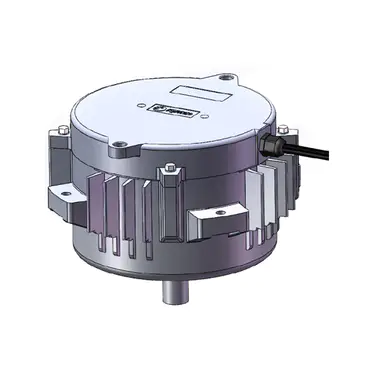
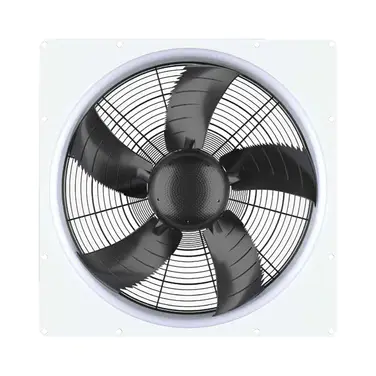
An axial fan motor is an electric motor specifically designed to drive the impeller or propeller of an axial fan. The motor converts electrical energy into mechanical rotation, which spins the...
Axial fan motors are the driving force behind some of the most essential equipment in modern industry—from the cooling systems in data centers and the ventilation in commercial buildings to the thermal management of elec...
What a Centrifugal Fan Is and When You Need One
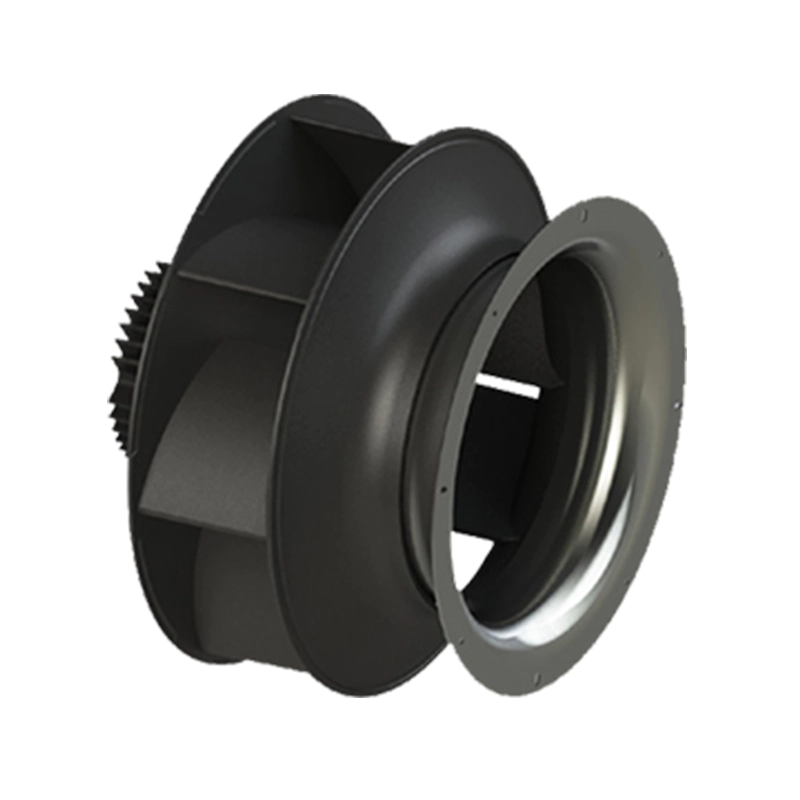
A centrifugal fan is a mechanical device that uses a rotating impeller to accelerate air radially outward from the inlet axis, converting kinetic energy into static pressu...
axial fan vs centrifugal fan:
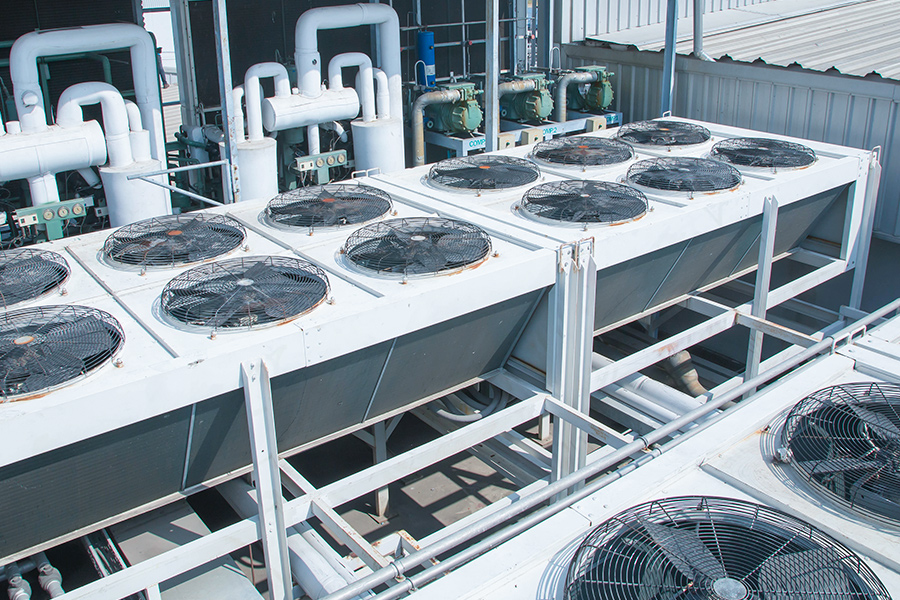
An Axial fan moves large volumes of air along its rotational axis at low static pressure and is the right choice for open, unobstructed cooling paths. A Centrifugal fan, also called a Blowe...
The three primary types of fan motors are AC Fan Motors, DC Fan Motors, and EC Fan Motors. AC fan motors run directly on alternating current from the grid and are the most widely installed type in industrial and commerci...
Why Is Fan Selection Critical in a Data Center Environment?
The performance of a data center fan directly affects server inlet temperatures, thermal runaway risks, and overall power usage effectiveness (PUE). Unlike a fa...
Axial vs Centrifugal and Which Fan Type You Actually Need
An Axial Fan is better than a centrifugal fan when the application requires moving large volumes of air at low pressure across a compact, inline installation, an...



 English
 中文简体
中文简体 русский
 Español
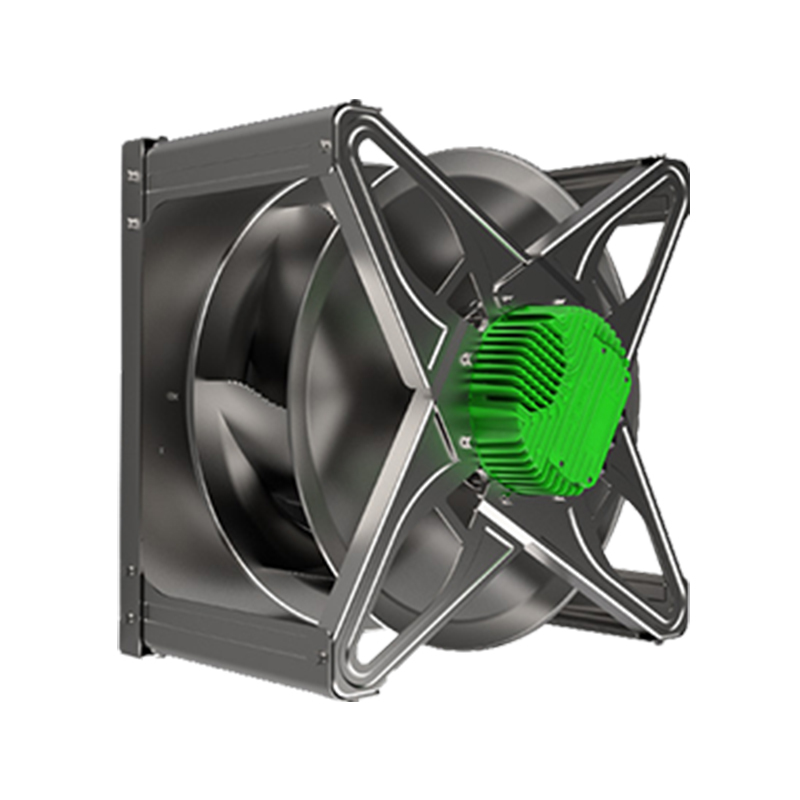





 OEM/ODM HVAC Axial Fan Manufacturers
