


 English
 中文简体
中文简体 русский
 Español
Aluminum Stretching Shell Three Phase Asynchronous Motor Motor
Fan Motors
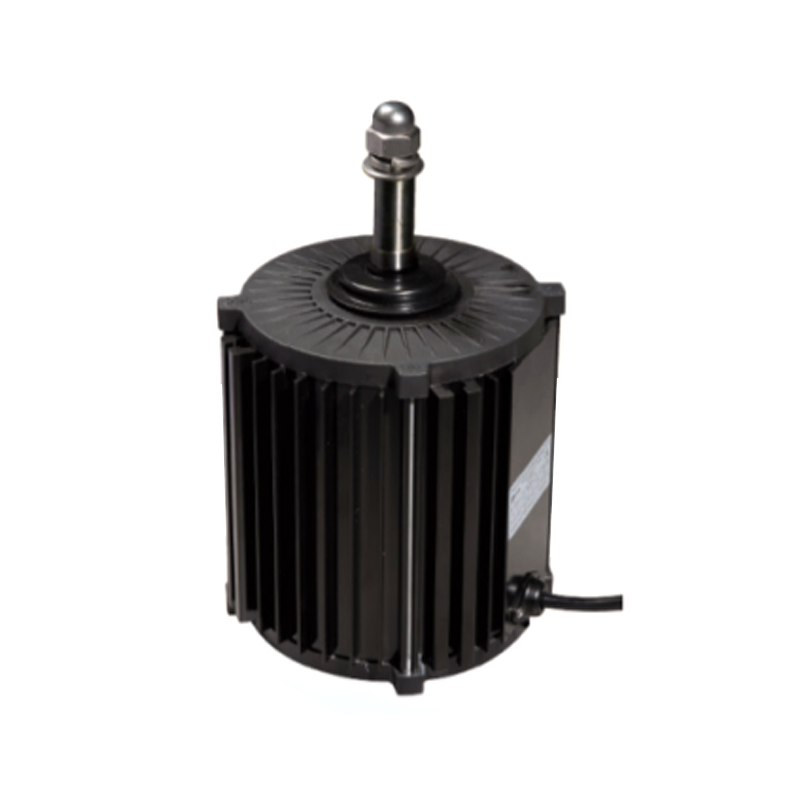
Fan Motors
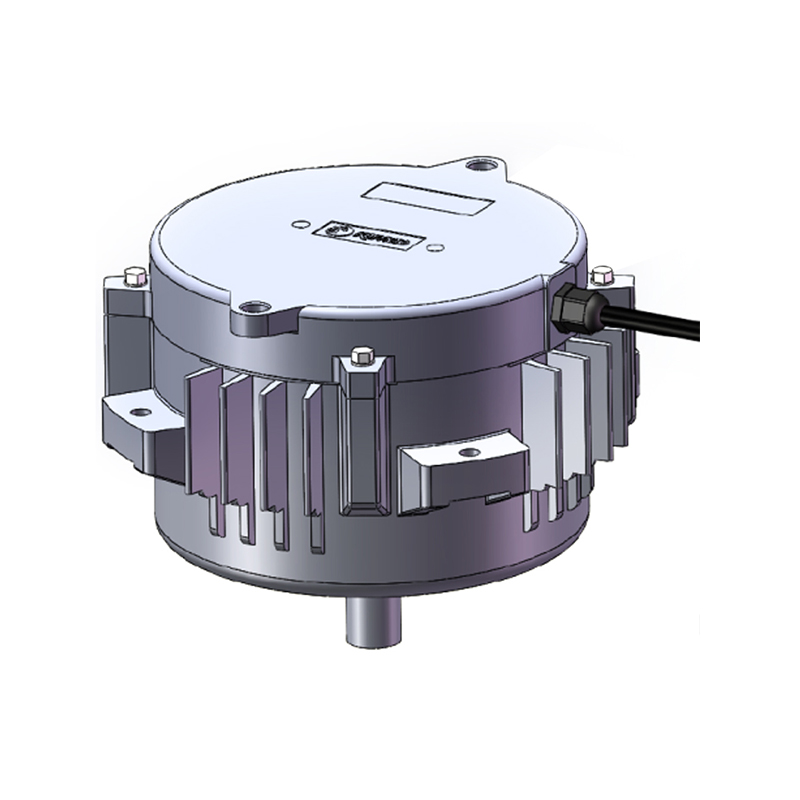
Fan Motors
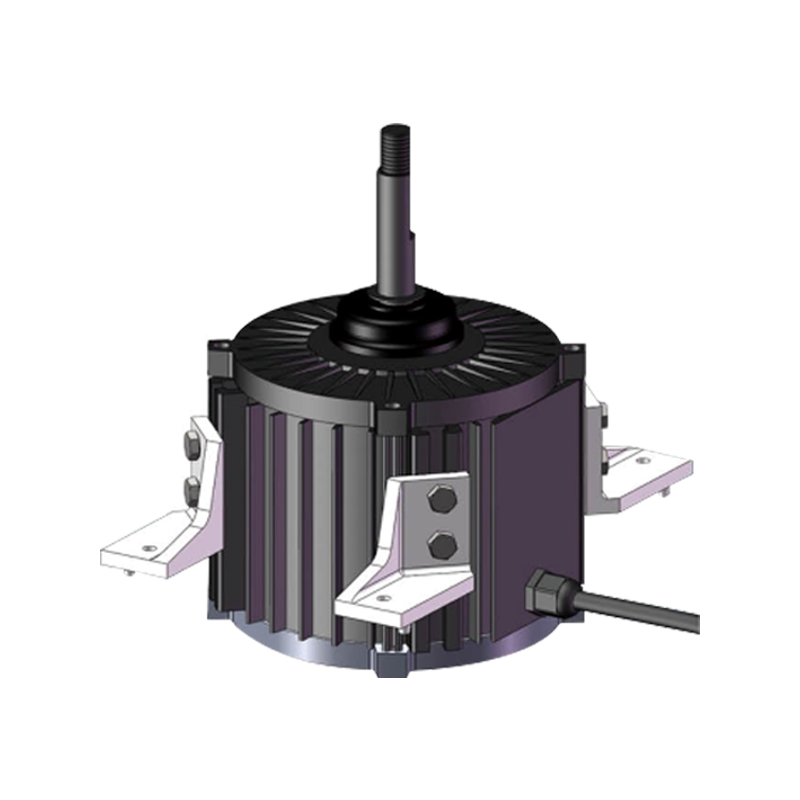
Fan Motors
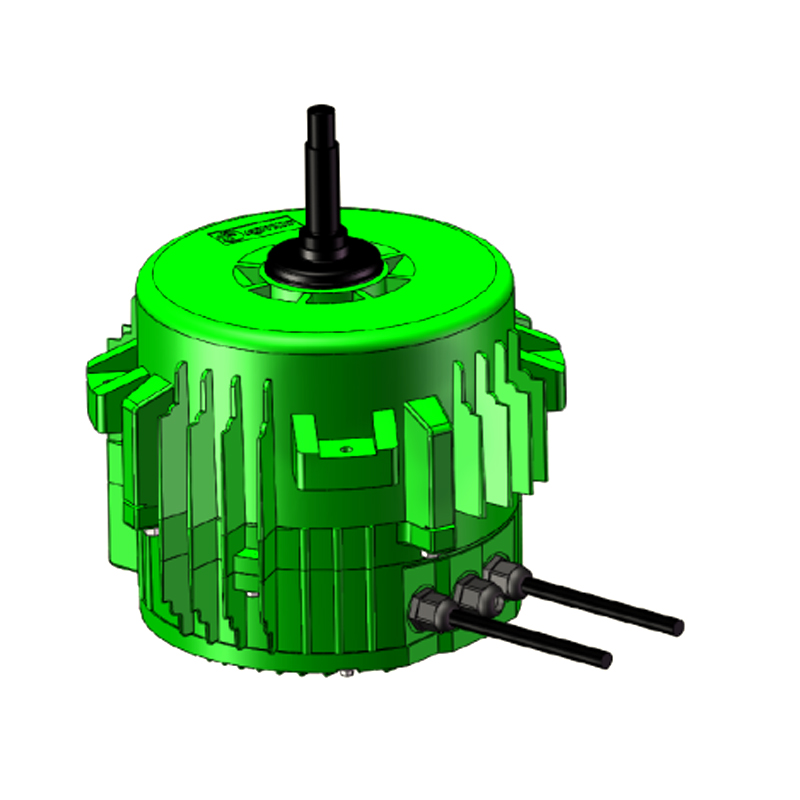
Fan Motors
Customized air conditioning axial fan motor, efficient, silent, low temperature rise, long service life. There are AC motors, AC variable frequency motors, and permanent magnet synchronous motors.
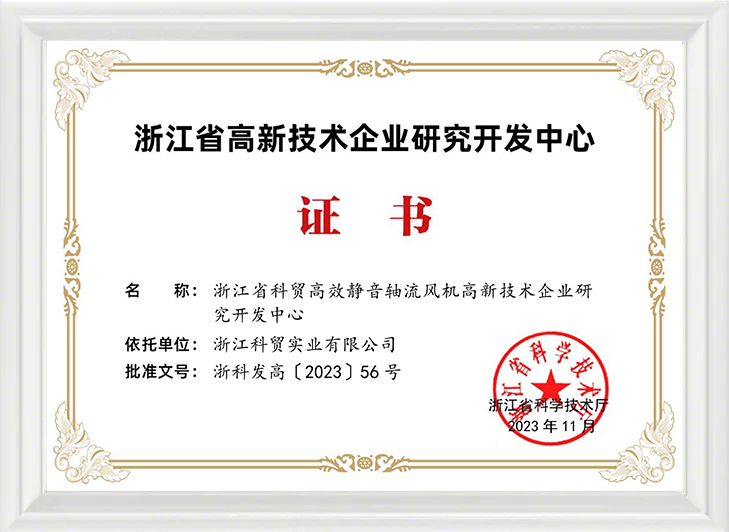
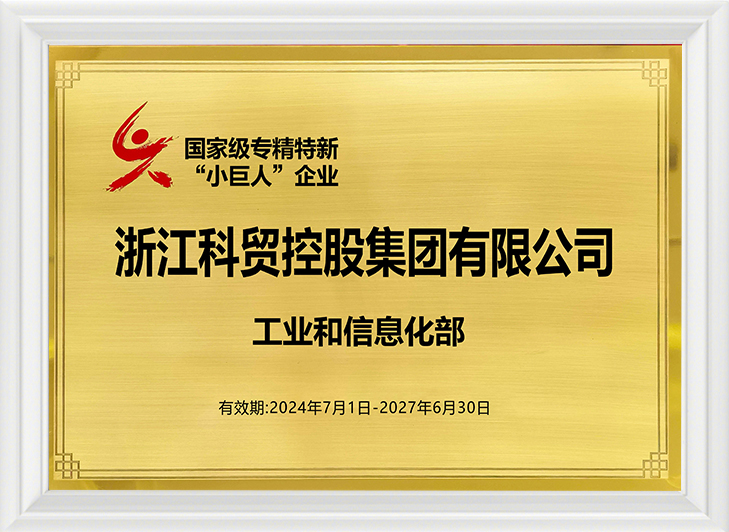
Zhejiang Kemao Holding Group Co., Ltd. was founded in 1994 and is located in Xinchang, Zhejiang. As China Axial Fan Motors Manufacturers and Fan Motors Suppliers, it has 30 years of experience in HVAC axial fan manufacturing, with more than 100 R&D personnel and more than 200 patented technologies.
Kemao is a large-scale HVAC axial fan R&D and production enterprise in China, and a professional supplier of axial fans for central heating and low-temperature heat pumps.
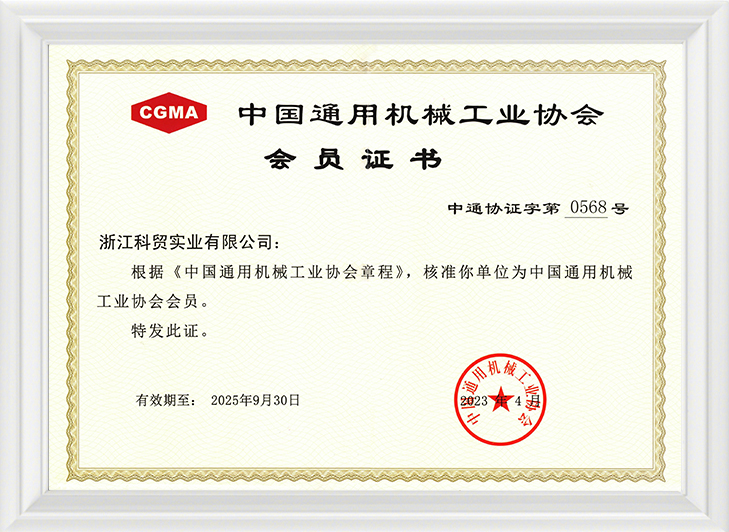
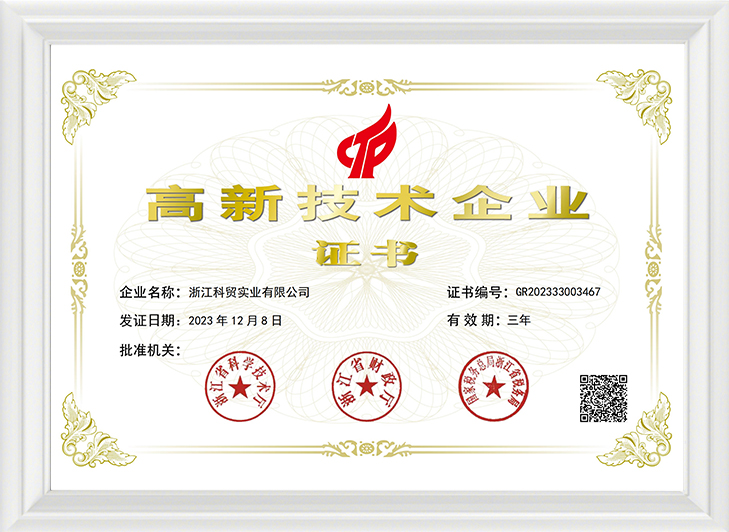
In addition, we are also a national high-tech enterprise, a member unit of the China Refrigeration and Air Conditioning Industry Association, the main drafting unit of the national standard "Axial Fan for HVAC", and the main drafting unit of the Zhejiang-made "Axial Fan for Commercial Air Conditioning" group standard.
What materials are typically used in the construction of axial fan motors and in which HVAC systems are they most commonly used?
Introduction to Axial Fan Motors in HVAC Applications
Axial fan motors are a fundamental component in heating, ventilation, and air conditioning (HVAC) systems, as they provide the mechanical force necessary to drive airflow through equipment and into buildings. The reliability and efficiency of these motors are closely linked to the materials selected during manufacturing, which directly affect durability, heat dissipation, noise levels, and long-term stability. Companies such as Zhejiang Kemao Holding Group Co., Ltd., established in 1994 and located in Xinchang, Zhejiang, have played an important role in developing axial fan technology. With 30 years of manufacturing expertise, over 100 R&D personnel, and more than 200 patented technologies, Kemao has become a professional supplier of axial fans for central heating and low-temperature heat pumps, contributing to the broader HVAC industry both domestically and internationally.
Key Materials Used in Axial Fan Motors
The performance of axial fan motors depends greatly on material selection, as different components require specific characteristics such as strength, conductivity, or resistance to environmental stress. Manufacturers like Zhejiang Kemao Holding Group Co., Ltd. rely on well-established materials, often enhanced with coatings or treatments, to meet the requirements of HVAC applications.
Stator and Rotor Laminations
The stator and rotor laminations are usually manufactured from silicon steel sheets. This material is selected for its magnetic properties, which reduce core losses and improve efficiency. Silicon steel is often treated with an insulating coating to minimize eddy current losses, further optimizing the energy efficiency of the motor.
Motor Housing
The housing is typically made of cast aluminum or steel, providing structural integrity while also supporting heat dissipation. Aluminum is often chosen for lightweight applications and its excellent thermal conductivity, whereas steel housings are more common in environments where mechanical strength is a priority.
Bearings
Bearings are critical to the smooth operation of axial fan motors. They are often made from hardened steel or ceramic composites. Steel bearings provide robust performance for general HVAC systems, while ceramic bearings are used in applications requiring reduced friction, lower noise, and resistance to electrical corrosion.
Shaft Materials
Motor shafts are generally constructed from high-strength steel alloys, which are treated to resist wear and fatigue. Some applications may use stainless steel shafts to ensure resistance against corrosion, especially in humid or chemically active environments.
Windings
Copper remains the dominant material for motor windings due to its high electrical conductivity and thermal stability. In certain cost-sensitive applications, aluminum windings may be used, although these require special design considerations to match the performance of copper.
Insulation and Coatings
Insulation materials such as epoxy resins, varnishes, and polymer coatings are applied to windings to prevent short circuits and enhance the thermal endurance of the motor. These coatings also improve moisture resistance, which is critical in HVAC environments.
Cooling Components
Some axial fan motors incorporate plastic or aluminum impellers for additional cooling. Plastics such as reinforced polyamide are lightweight and resistant to deformation, while aluminum provides strength and durability in high-load applications.
Common Materials in Axial Fan Motors
| Component | Typical Material | Function in Motor |
|---|---|---|
| Stator & Rotor | Silicon steel sheets | Reduces core losses and enhances magnetic efficiency |
| Motor Housing | Cast aluminum / steel | Provides strength and heat dissipation |
| Bearings | Hardened steel / ceramics | Supports smooth and durable rotation |
| Shaft | Steel alloy / stainless steel | Ensures mechanical stability and wear resistance |
| Windings | Copper / aluminum | Provides electrical conductivity for torque |
| Insulation | Epoxy / varnish / polymers | Prevents electrical faults and adds thermal stability |
| Cooling Components | Plastic (polyamide) / aluminum | Helps dissipate heat and maintain airflow |
HVAC Systems That Commonly Use Axial Fan Motors
Axial fan motors are integral across a wide range of HVAC systems, ensuring controlled airflow, maintaining temperature balance, and supporting energy efficiency. Zhejiang Kemao Holding Group Co., Ltd., as a main drafting unit of the national standard “Axial Fan for HVAC” and Zhejiang’s “Axial Fan for Commercial Air Conditioning”, has developed axial fan solutions tailored to different environments and technical requirements.
Central Heating Systems
In central heating systems, axial fan motors play a vital role in circulating heated air through ducts or distributing warm air across large spaces. The motors must operate consistently under high-temperature conditions, requiring materials such as silicon steel and insulated copper windings that can withstand thermal stress.
Low-Temperature Heat Pumps
Low-temperature heat pumps often operate in cold climates, where fans must ensure sufficient air exchange even at low ambient temperatures. In such systems, motor housings are frequently constructed with aluminum for efficient thermal management, while insulation coatings are optimized for moisture resistance to prevent damage from condensation.
Air Handling Units (AHUs)
Axial fan motors in AHUs drive large volumes of air through filters, coils, and ducts, ensuring proper ventilation and climate control. Bearings in these motors need to handle continuous operation, making ceramic or hardened steel bearings a preferred choice.
Cooling Towers
Cooling towers use axial fan motors to drive airflow for evaporative cooling. These motors often require stainless steel shafts and corrosion-resistant coatings to withstand humid and chemically treated environments.
Commercial Air Conditioning
In commercial air conditioning systems, axial fan motors are designed for compact housings and quiet operation. Reinforced plastic impellers and vibration-resistant bearings are widely applied to improve comfort in offices, shopping centers, and hotels.
Common HVAC Systems Using Axial Fan Motors
| HVAC System | Role of Axial Fan Motors | Key Material Requirements |
|---|---|---|
| Central Heating Systems | Circulates heated air in ducts | Heat-resistant insulation, durable steel shafts |
| Low-Temperature Heat Pumps | Maintains airflow in cold climates | Moisture-resistant coatings, aluminum housings |
| Air Handling Units (AHUs) | Moves air through filters and coils | Long-life bearings, silicon steel laminations |
| Cooling Towers | Supports evaporative cooling processes | Stainless steel shafts, anti-corrosion coatings |
| Commercial Air Conditioning | Provides ventilation in offices and public spaces | Lightweight impellers, quiet-running bearings |
Design Considerations in Material Selection
Material choice is not uniform but tailored to the requirements of the HVAC application. For example, while copper windings are generally preferred, aluminum can be used where cost considerations are dominant. Similarly, the choice between aluminum and steel motor housings depends on whether weight reduction or structural strength is prioritized. Zhejiang Kemao Holding Group Co., Ltd. leverages its extensive R&D capabilities to refine these choices, supported by its role as a key drafting unit for industry standards.
Durability and Service Life
Bearings and shafts represent the most stressed parts of the motor, making hardened steel and corrosion-resistant alloys a necessity in long-term HVAC usage.
Energy Efficiency
Silicon steel laminations and optimized insulation materials reduce energy losses, aligning with modern HVAC requirements for sustainability.
Environmental Adaptability
Coatings and material treatments ensure that axial fan motors can operate under conditions of high humidity, dust, or chemical exposure without compromising performance.
Maintenance Implications of Material Selection
The use of high-quality materials not only extends the operational life of axial fan motors but also simplifies maintenance schedules. Motors with ceramic bearings or stainless steel shafts, for instance, may require less frequent lubrication and inspections.
Material Impact on Maintenance Requirements
| Material Choice | Maintenance Benefit |
|---|---|
| Ceramic bearings | Reduced lubrication needs, lower noise levels |
| Stainless steel shafts | Better corrosion resistance, longer replacement cycles |
| Copper windings | Lower overheating risk, stable long-term operation |
| Aluminum housings | Lightweight for easier installation and inspection |
| Epoxy insulation | Improved resistance to moisture and electrical faults |

© 2025 Zhejiang Kemao Holding Group Co., Ltd.
All Rights Reserved.
 Custom Axial Fan Motors Manufacturers
