


 English
 中文简体
中文简体 русский
 Español
KF Series Extraordinary High Efficiency Low Noise Axial Fan
Axial Fan
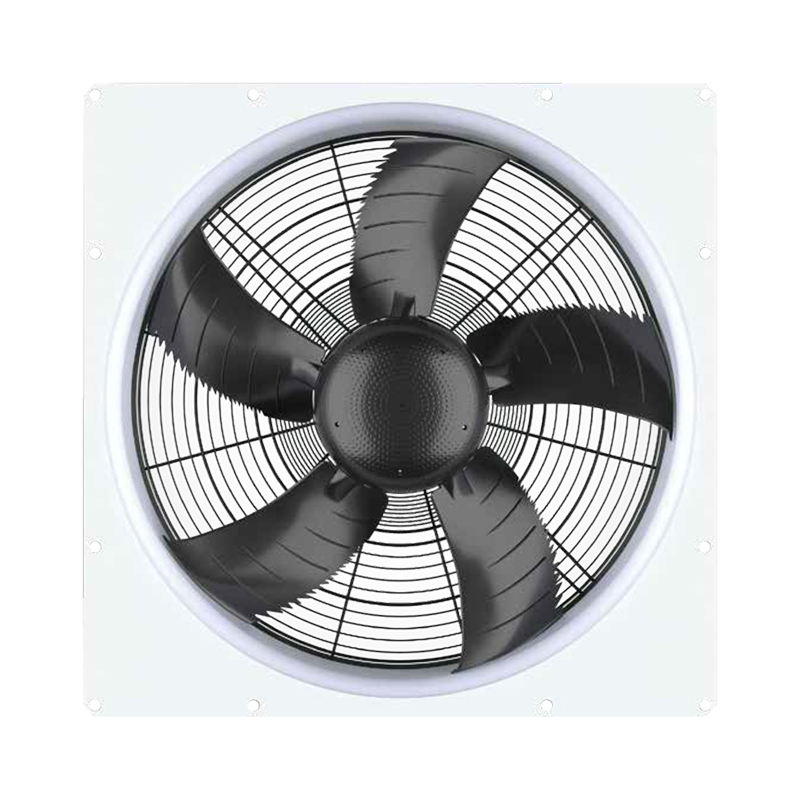
Axial Fan

Axial Fan
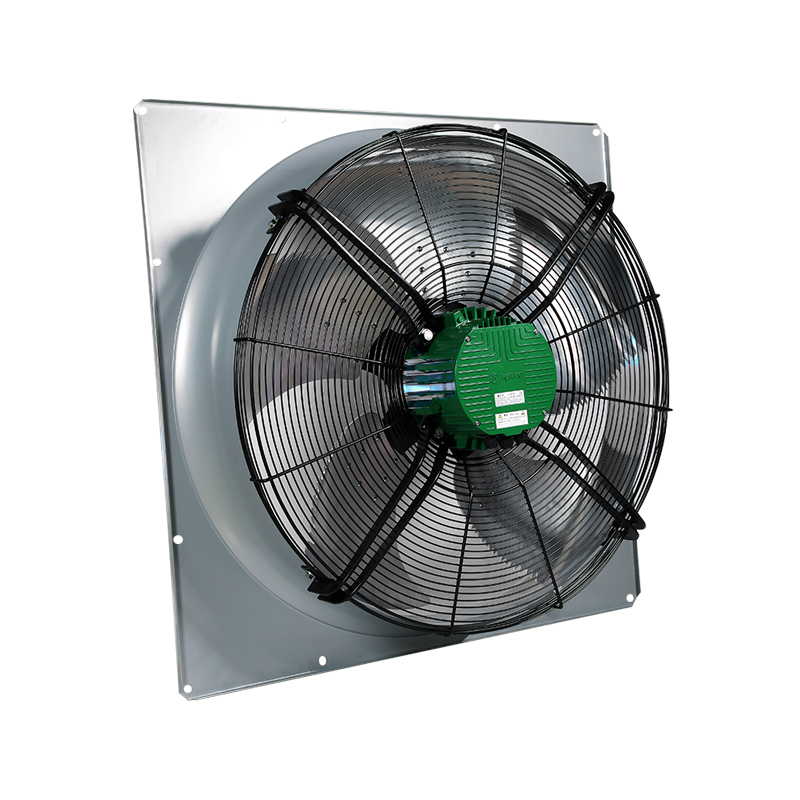
Axial Fan
Axial fan utilizes the axial force generated by the rotation of the impeller to drive air to flow. The characteristic is high air volume and low pressure. Widely used in air conditioning units, air source heat pump units, cold chain refrigeration units, industrial cooling and heat exchange units, data center cooling units, cooling towers, livestock ventilation, and various ventilation projects.
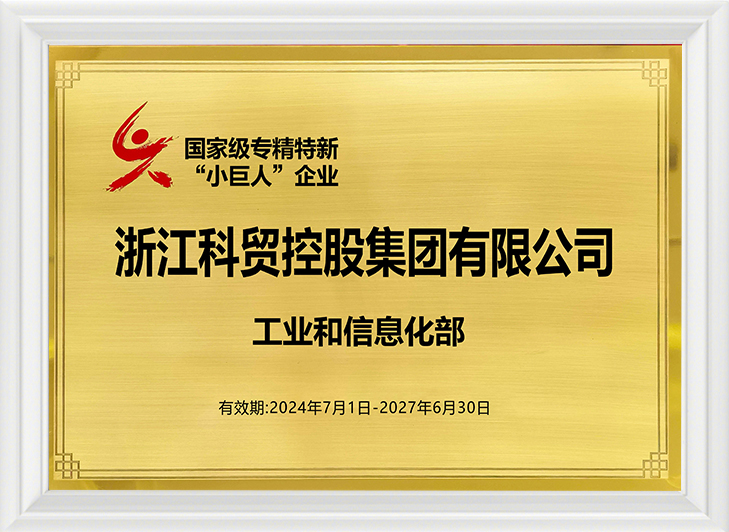
Zhejiang Kemao Holding Group Co., Ltd. was founded in 1994 and is located in Xinchang, Zhejiang. As China Cold Chain Refrigeration Axial Fan Manufacturers and Industrial Axial Fan Suppliers, it has 30 years of experience in HVAC axial fan manufacturing, with more than 100 R&D personnel and more than 200 patented technologies.
Kemao is a large-scale HVAC axial fan R&D and production enterprise in China, and a professional supplier of axial fans for central heating and low-temperature heat pumps.
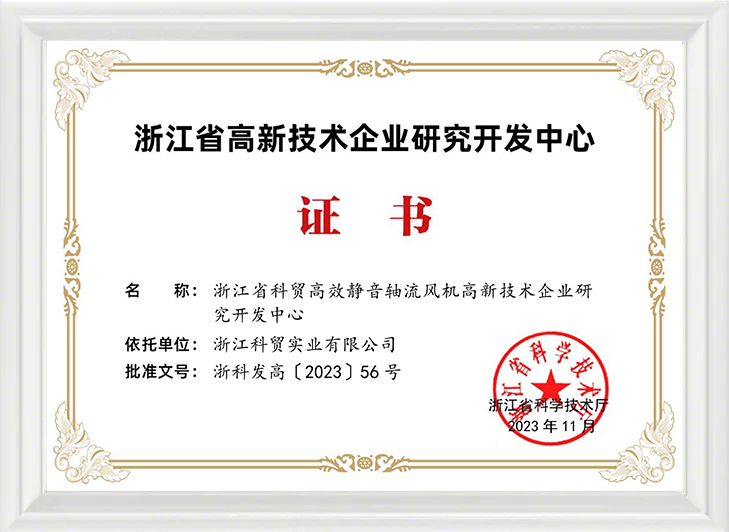
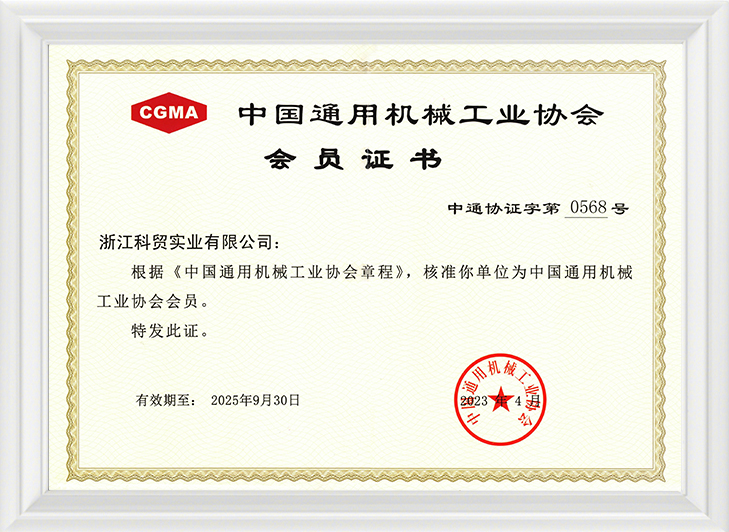
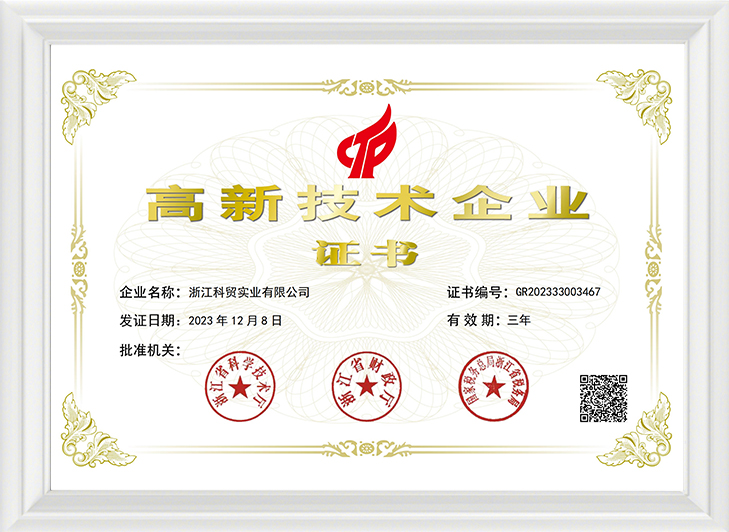
In addition, we are also a national high-tech enterprise, a member unit of the China Refrigeration and Air Conditioning Industry Association, the main drafting unit of the national standard "Axial Fan for HVAC", and the main drafting unit of the Zhejiang-made "Axial Fan for Commercial Air Conditioning" group standard.
What are the common faults and maintenance requirements of industrial axial fans?
Introduction
Industrial axial fans are widely used in HVAC systems, ventilation, cooling, and various industrial processes where large volumes of air must be moved efficiently. These fans, driven by either internal or external rotor motors, are critical components in ensuring reliable air circulation, thermal regulation, and system stability. Due to their continuous operation in demanding environments, they are subject to different types of mechanical, electrical, and operational faults. To ensure durability and stable performance, regular maintenance and timely fault diagnosis are essential.Zhejiang Kemao Holding Group Co., Ltd., founded in 1994 and located in Xinchang, Zhejiang, has accumulated 30 years of experience in HVAC axial fan manufacturing. With over 100 R&D professionals and more than 200 patented technologies, Kemao has become one of the leading enterprises in the field. As a national high-tech enterprise, a member of the China Refrigeration and Air Conditioning Industry Association, and the main drafting unit of both national and Zhejiang standards for HVAC axial fans, Kemao provides valuable insights into the design, reliability, and maintenance of industrial axial fans.
Mechanical Faults in Industrial Axial Fans
Mechanical faults are among the most common issues affecting industrial axial fans. These problems often involve bearings, blades, and vibration-related challenges. Over time, normal wear or poor installation practices can accelerate the deterioration of components.Bearing wear is a critical issue, as bearings support the rotating shaft. Insufficient lubrication, contamination by dust, or excessive operating temperature can lead to friction and overheating. Fan blades may also suffer from deformation, cracks, or imbalance caused by prolonged operation under high stress. Such defects increase vibration levels, which in turn may damage other components of the fan.Regular mechanical inspection helps identify signs of wear before complete failure occurs. A structured maintenance program that focuses on alignment, balance, and lubrication can significantly reduce mechanical faults.
Electrical Faults and Motor-Related Problems
Electrical issues are another frequent source of fan malfunction. Industrial axial fans typically rely on motors, and any disruption in power supply, insulation, or wiring can lead to downtime. Common electrical faults include short circuits, winding failures, and insulation degradation. These problems may arise from voltage fluctuations, excessive current, or improper grounding.For fans using external rotor motors, overheating may occur if cooling passages are blocked or if the fan operates in environments with poor ventilation. Electrical imbalances can also lead to irregular current flow, stressing the motor windings and reducing operational life.A preventive maintenance schedule should include motor inspection, testing of insulation resistance, and verification of power connections. Monitoring current and voltage stability also helps in preventing long-term damage.
Airflow and Performance-Related Issues
Another common category of faults in industrial axial fans involves airflow performance. Reduced airflow or pressure often indicates obstructions, dirt accumulation, or wear on fan blades. In HVAC applications, where airflow consistency is critical, such performance degradation can compromise system efficiency.Blade contamination, caused by dust and moisture, alters aerodynamic properties, leading to reduced efficiency. Air duct blockages and improper installation can also restrict airflow, resulting in unstable pressure levels.To mitigate these issues, routine cleaning of blades and ducts is necessary. Performance monitoring systems, including airflow sensors, can help operators detect early signs of reduced efficiency and take corrective actions.
Vibration and Noise Problems
Vibration and noise are common operational issues in industrial axial fans. These problems often indicate mechanical imbalance, misalignment, or worn bearings. Prolonged exposure to vibration can lead to structural fatigue and reduced equipment lifespan.Noise may originate from aerodynamic turbulence, loose components, or faulty installation. In HVAC applications, excessive noise not only affects performance but also impacts user comfort in commercial and residential environments.Maintenance strategies to control vibration and noise include rebalancing fan blades, tightening mounting bolts, and conducting vibration analysis to detect root causes. Regular checks ensure that the fan operates within acceptable noise and vibration levels.
Overheating and Thermal Issues
Overheating is a critical fault that may cause irreversible damage to motors and electronic components. Industrial axial fans often operate under continuous load, and if cooling is inadequate, the motor temperature can rise beyond safe limits. Common causes include blocked airflow paths, insufficient lubrication in bearings, or excessive mechanical load.Overheating not only reduces fan efficiency but also accelerates wear on insulation and bearings. Preventive measures involve proper ventilation, regular cleaning of cooling passages, and temperature monitoring. Some advanced systems incorporate thermal sensors to provide early warnings before damage occurs.
Maintenance Requirements of Industrial Axial Fans
To ensure stable and reliable operation, industrial axial fans require systematic maintenance. Maintenance should be preventive rather than reactive, focusing on lubrication, inspection, cleaning, and testing.Routine tasks include checking bearings for wear, ensuring proper alignment, monitoring vibration, inspecting electrical connections, and cleaning blades. Detailed maintenance schedules help reduce downtime and extend the service life of the fans.Kemao, with its extensive experience and advanced technology, emphasizes structured maintenance programs that combine traditional inspection with modern diagnostic tools. This integrated approach helps users manage maintenance costs while maintaining reliable fan performance.
Maintenance Schedule and Recommendations
Different components of industrial axial fans require maintenance at specific intervals. The following table summarizes typical schedules and actions.
| Component | Common Issues | Maintenance Action | Frequency |
|---|---|---|---|
| Bearings | Wear, overheating, lack of grease | Lubrication, replacement if needed | Every 3–6 months |
| Blades | Dirt accumulation, imbalance | Cleaning, balancing, crack checks | Every 6 months |
| Motor and Wiring | Overheating, insulation failure | Inspect insulation, tighten wiring | Every 6 months |
| Mounting and Housing | Loosened bolts, misalignment | Tightening, alignment check | Every 12 months |
| Airflow Pathways | Blockages, dust, debris | Cleaning, duct inspection | Quarterly |
| Vibration Levels | Imbalance, structural fatigue | Vibration analysis, rebalancing | Every 6–12 months |
Troubleshooting Common Faults
Effective troubleshooting requires both observation and diagnostic tools. Operators should look for unusual noise, vibration, and temperature fluctuations. Infrared thermometers, vibration sensors, and airflow meters can provide accurate readings that aid in identifying problems.For example, if unusual vibration is detected, the likely cause could be imbalance or bearing wear. If reduced airflow is observed, blades may require cleaning or ducts may be blocked. Systematic troubleshooting ensures that root causes are identified and addressed rather than merely treating symptoms.
Importance of Professional Maintenance and Standards
While daily maintenance tasks can be carried out by operators, complex issues may require professional service. Industrial axial fans, particularly those designed for HVAC systems, must meet specific safety aand performance standards. Zhejiang Kemao Holding Group Co., Ltd. plays a leading role in drafting the national standard "Axial Fan for HVAC" and the Zhejiang group standard "Axial Fan for Commercial Air Conditioning." By adhering to these standards, manufacturers and users can ensure that both production and maintenance practices meet reliable benchmarks.Professional servicing helps ensure compliance with standards, enhances system efficiency, and prolongs the life cycle of axial fans.

© 2025 Zhejiang Kemao Holding Group Co., Ltd.
All Rights Reserved.
 Custom Industrial Cold Chain Refrigeration Axial Fan Manufacturers
