

 English
 中文简体
中文简体 русский
 Español
Fan Propeller
Fan Accessories
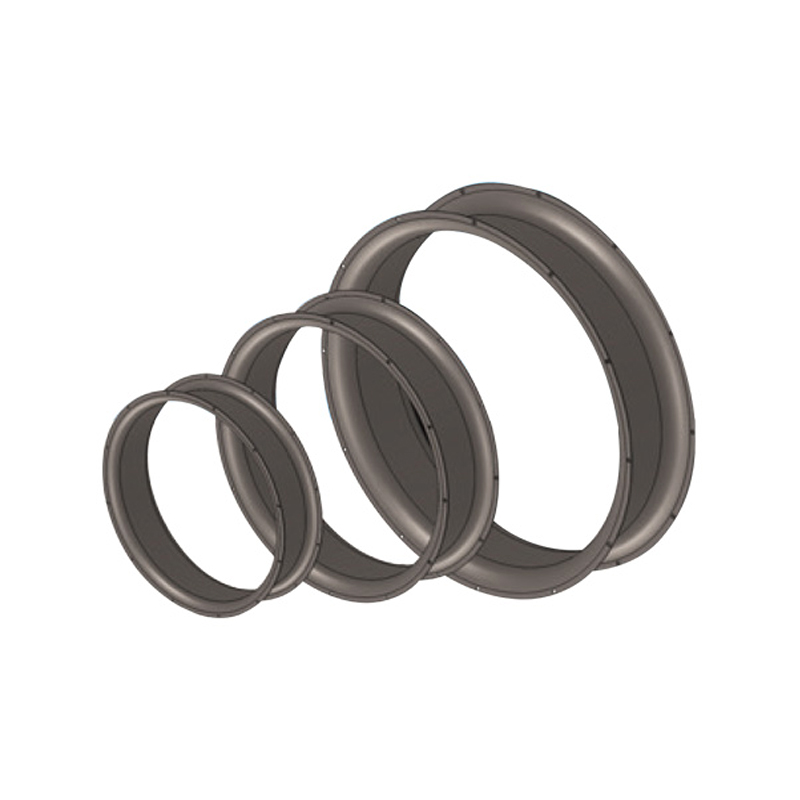
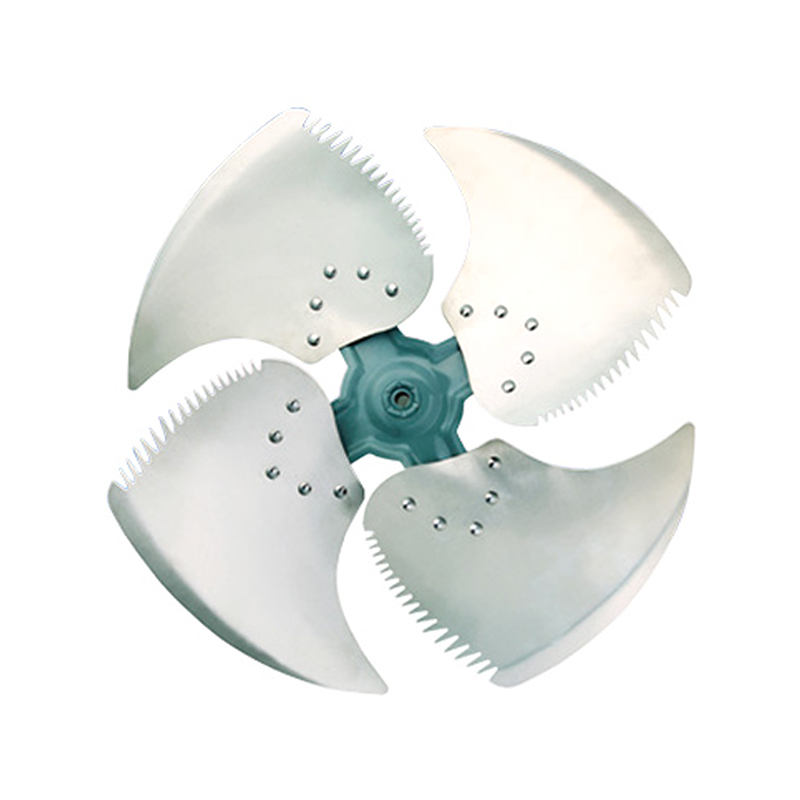
Fan accessories mainly include fan propeller and fan panel and venturi. As an important part of fan operation, they play a role in adjusting air volume, guiding airflow, and improving wind efficiency. The fan propeller design directly affects the fan's air volume and noise performance, while the fan venturi optimizes the airflow direction, reduces airflow turbulence, and improves overall operating efficiency. The two work together and are widely used in air conditioning, ventilation systems, cooling equipment and other fields to ensure stable and efficient operation of the fan.
Zhejiang Kemao Holding Group Co., Ltd. was founded in 1994 and is located in Xinchang, Zhejiang. As China Axial Fan Accessories Manufacturers and Fan Accessories Suppliers, it has 30 years of experience in HVAC axial fan manufacturing, with more than 100 R&D personnel and more than 200 patented technologies.
Kemao is a large-scale HVAC axial fan R&D and production enterprise in China, and a professional supplier of axial fans for central heating and low-temperature heat pumps.
In addition, we are also a national high-tech enterprise, a member unit of the China Refrigeration and Air Conditioning Industry Association, the main drafting unit of the national standard "Axial Fan for HVAC", and the main drafting unit of the Zhejiang-made "Axial Fan for Commercial Air Conditioning" group standard.




What are the maintenance requirements for common axial fan accessories?
Introduction
Axial fans are widely used in HVAC systems, industrial ventilation, and low-temperature heat pumps due to their ability to move large volumes of air efficiently. The performance and reliability of these fans depend not only on the main fan unit itself but also on the accessories that accompany them. Accessories such as protective grilles, silencers, vibration isolators, and speed controllers play an essential role in ensuring safe operation, maintaining airflow quality, and extending service life. Regular maintenance of these accessories is therefore a critical part of sustaining the long-term efficiency of axial fans.Zhejiang Kemao Holding Group Co., Ltd. as a member of the China Refrigeration and Air Conditioning Industry Association and a key drafting unit of both national and provincial axial fan standards, Kemao emphasizes the importance of comprehensive maintenance strategies for axial fan systems, including their accessories.
Protective Grilles Maintenance
Protective grilles are designed to prevent accidental contact with fan blades and to provide basic safety in installation environments. These grilles are usually made of coated steel or aluminum, which requires periodic cleaning to avoid dust buildup. Dust or debris accumulation can reduce airflow and increase operational resistance. Maintenance typically includes wiping with a damp cloth or compressed air cleaning. In corrosive or outdoor environments, it is important to check for rust or coating wear. Repainting or replacing damaged grilles is recommended to ensure safety compliance.
Silencers and Noise Reduction Devices
Silencers are installed to reduce the operational noise of axial fans, especially in residential or commercial HVAC applications. Over time, dust, moisture, and airborne particles can accumulate inside the silencer, reducing its effectiveness. Regular inspection should include cleaning or replacing internal acoustic materials if they become clogged or degraded. Since silencers often contain sound-absorbing foam or fiber-based elements, it is essential to monitor for mold or bacterial growth in humid environments. Proper maintenance ensures a consistent reduction in noise levels and maintains indoor air quality.
Vibration Isolators and Dampers
Vibration isolators reduce mechanical vibration transmission between the fan and the installation surface. These are commonly made of rubber, spring, or composite materials. Over time, rubber components may harden or crack, while metal springs may fatigue. Maintenance involves checking for deformation, loss of elasticity, or material wear. Lubrication of moving parts in spring isolators can extend their service life. Replacing worn dampers at appropriate intervals helps prevent structural damage and minimizes noise caused by excessive vibration.
Fan Guards and Air Filters
Fan guards and filters are critical in preventing foreign objects from entering the fan system while ensuring the airflow remains clean. Filters, depending on their type, need to be cleaned or replaced periodically. Foam or mesh filters can be washed with water and mild detergent, while high-efficiency filters require replacement once saturated. Regular cleaning schedules should be established, particularly in dusty environments, to prevent airflow restriction and increased energy consumption.
Example Maintenance Schedule for Filters
| Filter Type | Cleaning Frequency | Replacement Cycle | Notes on Maintenance |
|---|---|---|---|
| Foam Mesh Filter | Every 2 weeks | 6–12 months | Wash with mild detergent |
| Metal Mesh Filter | Monthly | 12–18 months | Use compressed air or wash |
| HEPA Filter | N/A | 6–12 months | Replace when airflow reduces significantly |
Electrical Accessories and Speed Controllers
Speed controllers are essential accessories for adjusting airflow according to system requirements. Maintenance of these devices includes checking for loose wiring, overheating signs, and dust accumulation around ventilation slots. Periodic testing of control accuracy ensures reliable fan performance. Since controllers may include electronic components, avoiding moisture exposure is crucial. Replacing damaged fuses or faulty circuit boards is part of preventive maintenance.
Mounting Brackets and Supports
Mounting brackets secure axial fans to walls, ceilings, or ducts. Over time, vibration and environmental exposure may loosen bolts or cause corrosion. Maintenance should involve periodic tightening of screws, inspecting weld joints, and applying anti-rust coatings if necessary. In industrial environments where fans are subjected to constant heavy-duty operation, reinforcement of mounting points may also be required to maintain structural integrity.
Sensors and Monitoring Devices
Some advanced axial fans are equipped with temperature sensors, vibration detectors, or airflow monitors. Maintenance of these devices includes calibrating sensors, cleaning dust from sensitive components, and ensuring uninterrupted power supply. For vibration sensors, proper mounting alignment is necessary for accurate readings. Replacing worn-out or non-functional sensors ensures the safety of the entire fan system.
Common Maintenance Issues and Solutions
| Accessory Type | Common Issue | Maintenance Action |
|---|---|---|
| Protective Grilles | Rust or coating damage | Repaint or replace corroded parts |
| Silencers | Reduced noise absorption | Clean or replace acoustic material |
| Vibration Isolators | Cracks or loss of elasticity | Replace isolators; lubricate spring systems |
| Filters | Dust accumulation | Wash or replace filters as per schedule |
| Speed Controllers | Overheating or inaccuracy | Inspect wiring, replace faulty components |
| Brackets/Supports | Loose bolts or corrosion | Tighten and apply anti-rust coating |
| Sensors | Faulty readings | Calibrate or replace defective sensors |
Role of Preventive Maintenance
Preventive maintenance plays an important role in avoiding unplanned downtime and reducing long-term costs. Accessories that are not regularly maintained can lead to higher energy consumption, mechanical wear, and even safety hazards. Companies like Zhejiang Kemao Holding Group Co., Ltd. emphasize preventive maintenance in their service strategies, ensuring that axial fans and accessories operate in accordance with industry standards.
Application in HVAC and Industrial Systems
In HVAC systems, axial fan accessories directly influence air distribution, comfort, and energy consumption. For example, clean filters maintain indoor air quality, while silencers ensure compliance with building noise regulations. In industrial environments, vibration isolators and protective grilles protect both workers and equipment from mechanical failures. The combination of proper accessory selection and maintenance enhances the overall efficiency of heating and cooling systems.

© 2025 Zhejiang Kemao Holding Group Co., Ltd.
All Rights Reserved.
 Custom Axial Fan Accessories Manufacturers