


 English
 中文简体
中文简体 русский
 Español
EC Motor OEM/ODM


EC Motor
Features:
Low consumption and losses, high efficiency with high power factor. Good speed adjustment performance, simplified separation or integral combination method between control and motor
Advantages:
Availability output interface RS485, output interface sensor 0-10V, interface adjustment speed 4-20 mA, output interface signal alarm device Interfa-CE and interface output signal master-lab. This product can boast high intelligence, high energy-saving, high efficiency, long service life, little amount vibration, low noise level and allows work continuously, etc.
Operating Conditions
Ambient Temperature: −40°C ~ 60°C
Altitude: ≤1000 m
Rated voltage: 198-264 V, 380-480 V.
Definition frequency: 50/60 Hz
Duty/Rating: Continuous (S1)
Insulation Class: F/H
Winding Temperature Rise: ≤80 K
Protection Class: IP54, IP55, IP65, IP56, IP66
Cooling Method: IC411
Motor Color: Green or other colors
Related Products
-
 View More
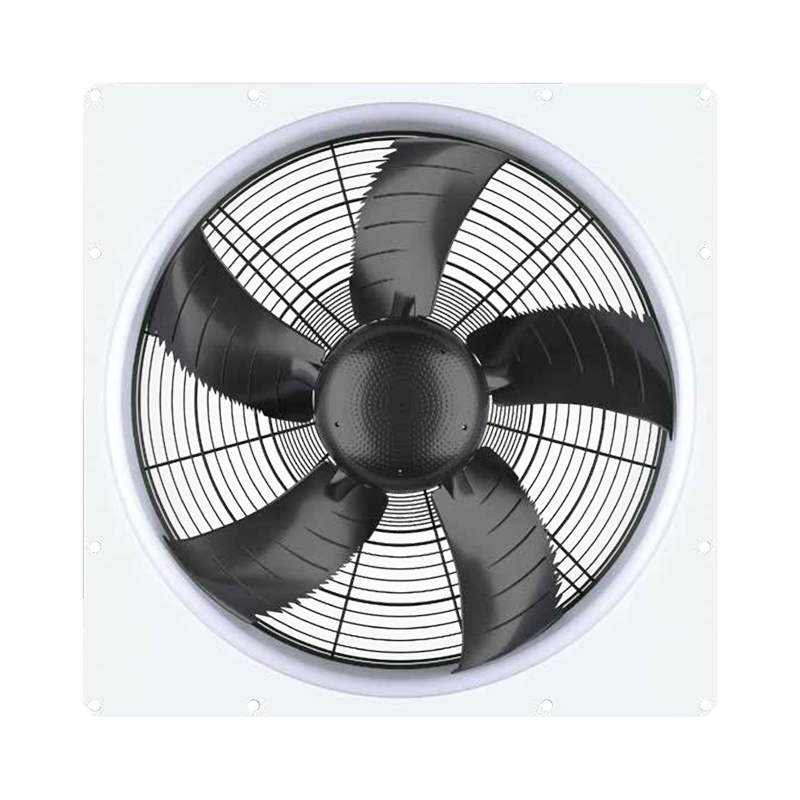
KF Series Extraordinary High Efficiency Low Noise Axial Fan
-
 View More
K Series High Efficient External Rotor EC Axial Fans
-
 View More
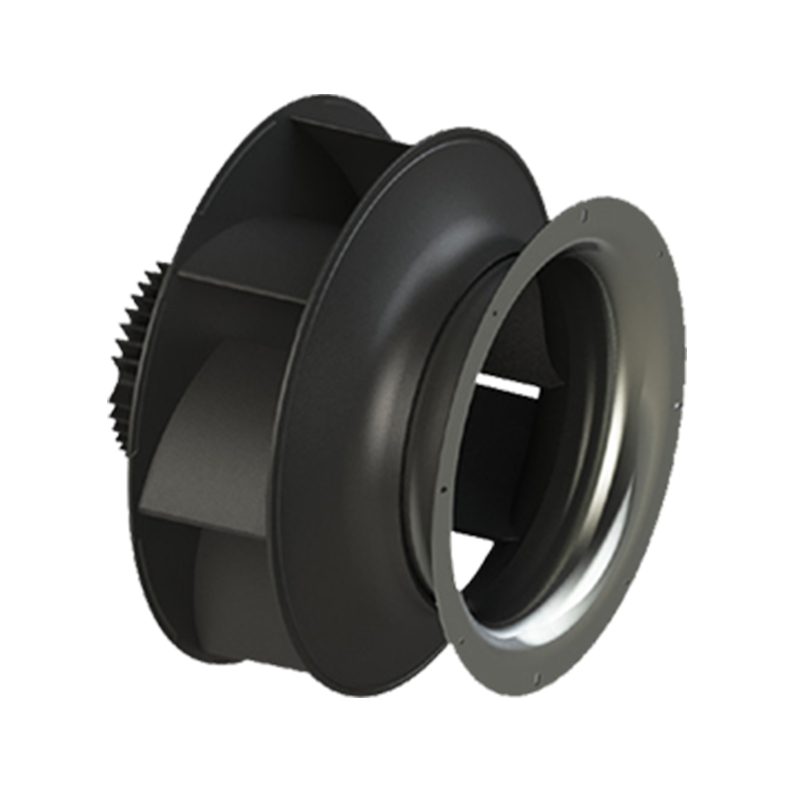
High Efficiency Backward Curved EC Centrifugal Fan
-
 View More
Aluminum Blade Centrifugal Fan
-
 View More
ODS Series Axial Fan
-
 View More
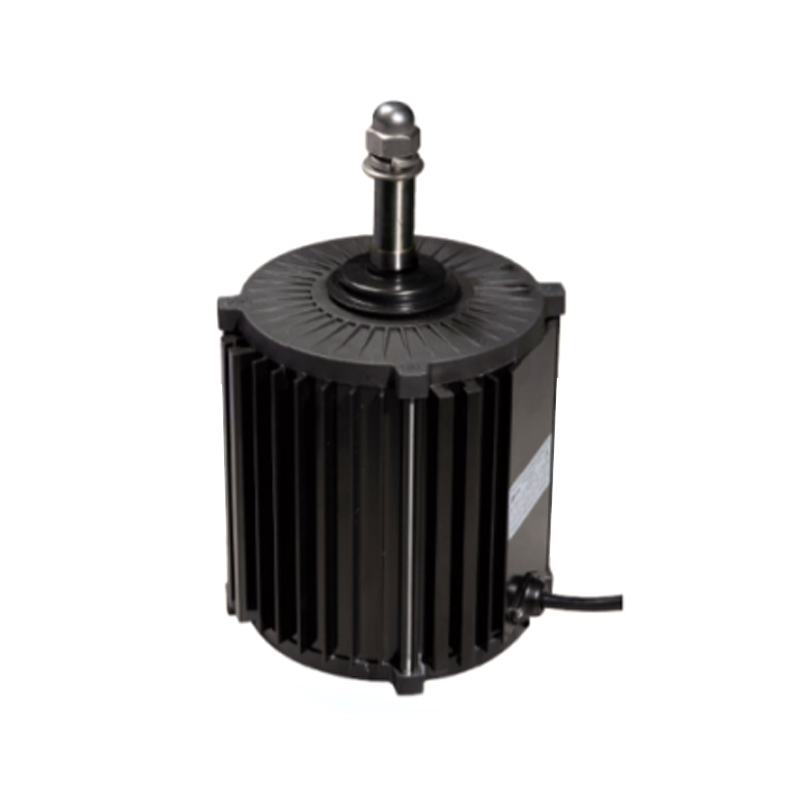
Aluminum Stretching Shell Three Phase Asynchronous Motor Motor
About Us
Zhejiang Kemao Holding Group Co., Ltd.
Zhejiang Kemao Holding Group Co., Ltd. was founded in 1994 and is located in Xinchang, Zhejiang. As China EC Motor Manufacturers and EC Motor Factory, it has 30 years of experience in HVAC axial fan manufacturing, with more than 100 R&D personnel and more than 200 patented technologies.
Kemao is a large-scale HVAC axial fan R&D and production enterprise in China, and a professional supplier of axial fans for central heating and low-temperature heat pumps.
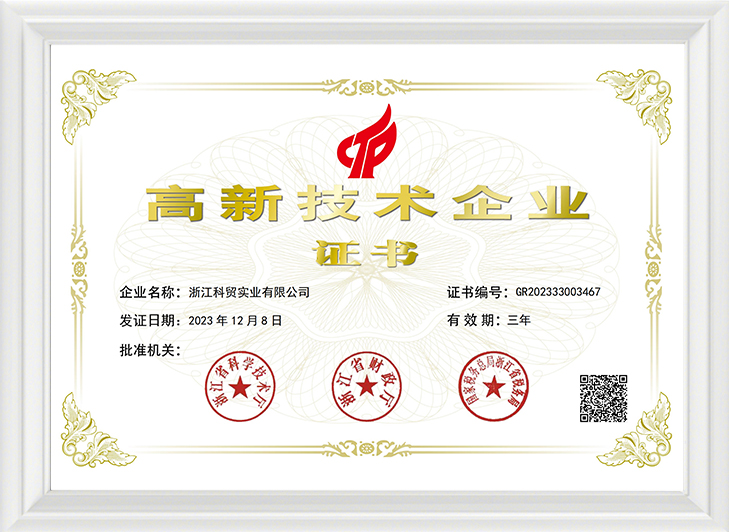
In addition, we are also a national high-tech enterprise, a member unit of the China Refrigeration and Air Conditioning Industry Association, the main drafting unit of the national standard "Axial Fan for HVAC", and the main drafting unit of the Zhejiang-made "Axial Fan for Commercial Air Conditioning" group standard.
Certificate Of Honor



Industry Knowledge Extension
What are the advantages of using EC Motors in HVAC systems?
In modern heating, ventilation, and air conditioning (HVAC) systems, EC Motors offer significant advantages, particularly in terms of energy efficiency, precise control, and intelligent operation. EC Motors, with their superior electronic control technology and outstanding performance in variable frequency control and load regulation, have become an indispensable key component in high-efficiency HVAC systems.
Energy efficiency is one of the core advantages of EC Motors in the HVAC sector. Unlike traditional asynchronous motors, EC Motors utilize electronic commutation and variable frequency regulation to dynamically adjust the motor's speed and power output based on the actual load demands of the HVAC system. In equipment such as fans, pumps, and compressors, EC Motors enable highly precise power regulation, eliminating the energy loss associated with traditional motors under low or unstable loads. This sophisticated control not only reduces energy waste but also automatically switches between high and low loads, optimizing energy efficiency and significantly reducing electricity consumption, resulting in long-term cost savings and environmental benefits.
Precise control is another major advantage of EC Motors in HVAC systems. Traditional electric motors often operate at a constant speed, which is impractical in many practical scenarios. EC Motors, however, utilize an integrated electronic control unit (ECU) to precisely regulate motor speed, torque, and current, maintaining optimal operation under varying environmental and load conditions. This precise control not only improves system reliability but also effectively enhances the comfort of HVAC equipment, such as ensuring that air conditioning or heating systems maintain a stable indoor temperature under varying loads.
Zhejiang Kemao Holding Group Co., Ltd., a leading manufacturer of HVAC axial fans in China, boasts extensive industry experience and technological expertise, and has long been committed to developing green, energy-saving, and safe HVAC products. Since its establishment in 1994, Zhejiang Kemao Holding Group Co., Ltd. has provided efficient fan solutions to numerous internationally renowned brands, including McQueen, Deacon, Trane, Carrier, Midea, and Gree, becoming their long-term HVAC partner. Particularly in the areas of environmental protection and energy conservation, Zhejiang Kemao Holding Group Co., Ltd. consistently adheres to the principles of innovation and lean manufacturing, striving to promote low-carbon goals and sustainable development.
In HVAC systems, Zhejiang Kemao Holding Group Co., Ltd. has continuously innovated, driving the deep integration of EC Motor technology with its fan products. For example, Kemao's high-efficiency fans, powered by EC Motors, not only improve the fan's energy efficiency but also enhance the system's regulation capabilities. This fan system dynamically adjusts wind speed based on actual load, reducing energy consumption while also improving system reliability and comfort.
Zhejiang Kemao Holding Group Co., Ltd. has also leveraged its extensive expertise in HVAC to develop an intelligent control system that integrates EC Motors with fans, pumps, and other equipment to form an integrated intelligent regulation system. This intelligent regulation allows the HVAC system to automatically adjust its operating state based on environmental changes, further optimizing energy efficiency and reducing system maintenance requirements.
How do the maintenance costs and service life of EC Motors compare with those of traditional electric motors?
EC Motors offer significant advantages in maintenance costs and service life compared to traditional electric motors. Because the EC Motor utilizes a brushless design, its rotor lacks the brushes and commutator found in traditional motors. This eliminates maintenance issues caused by wear and reduces system failure rates. Furthermore, electronic commutation technology eliminates the need for regular brush replacement or other mechanical maintenance, significantly reducing maintenance frequency and costs.
In terms of service life, the EC Motor's brushless design protects key components (such as the rotor and stator) from wear and tear, typically resulting in a longer service life. Traditional brushed motors often require frequent maintenance and replacement due to brush wear and commutator aging. The EC Motor's brushless design mitigates these issues. With no brush wear and minimal friction between the rotor and stator, the motor maintains stable performance over extended periods, resulting in a service life exceeding tens of thousands of hours. Over long-term operation, the EC Motor reduces downtime due to frequent maintenance, thereby improving system reliability and availability.
In terms of maintenance costs, the EC Motor's low maintenance requirements significantly reduce overall maintenance costs. Traditional electric motors require regular inspection and replacement of brushes due to wear during operation. EC Motors, however, utilize electronic control for commutation, eliminating the need for mechanical brushes. This not only reduces the complexity of operation and maintenance but also avoids motor failures caused by untimely brush replacement. Furthermore, the EC Motor's integrated design simplifies installation and repair, reducing the need for external technical support.
Although EC Motors offer lower maintenance costs, their initial purchase cost is relatively high. The electronic control unit (ECU) and brushless manufacturing process contribute to their higher price compared to traditional motors. However, with market adoption and technological maturity, EC Motor costs are gradually decreasing, and the long-term energy savings and low maintenance requirements more than offset the initial investment.
|
Comparison Item |
EC Motor |
Traditional Motor |
|
Maintenance Frequency |
Lower, typically no need for regular brush replacement, electronic control system has minimal wear. |
Higher, regular brush replacement and commutator inspections are required, with more wear. |
|
Maintenance Cost |
Lower, mainly periodic checks and maintenance of the electronic control system. |
Higher, besides brush and commutator replacement, regular checks of other motor components are necessary. |
|
Service Life |
Longer, no brushes, reduced wear, lifespan can reach tens of thousands of hours. |
Shorter, brush and commutator wear leads to a shorter service life, requiring earlier replacement. |
|
Failure Rate |
Lower, electronic commutation reduces the likelihood of failure, with minimal friction between rotor and stator. |
Higher, brush wear, commutator damage, and mechanical component failures are more common. |
|
Downtime |
Less, fewer maintenance needs, resulting in minimal downtime. |
More, frequent maintenance requires downtime, affecting productivity. |
|
Maintenance Difficulty |
Lower, simplified structure due to no brushes or commutator, making maintenance easier. |
Higher, replacement of brushes and commutator is complex and time-consuming. |
|
Overall Operating Cost |
Lower, with high efficiency and low maintenance needs, resulting in reduced long-term operating costs. |
Higher, due to more frequent maintenance and brush replacement. |
|
Power Loss During Equipment Life |
Lower, electronic control and brushless design reduce energy losses. |
Higher, friction from brushes and commutators causes additional energy losses. |
What is the impact of the EC Motor's high power density and compact design on applications?
The EC Motor's high power density and compact design offer significant advantages in many applications requiring space and weight savings, particularly in modern home appliances, industrial equipment, and automotive applications.
High power density is a key feature of the EC Motor. The EC Motor's brushless design and efficient electronic control enable it to deliver greater power output within a compact footprint. Because the motor's rotor lacks brushes, the design can be more precisely optimized, reducing size without sacrificing performance. This high power density makes the EC Motor widely applicable in applications requiring high power output, such as fans, pumps, home appliances, and robotics. Especially in space-constrained applications, the EC Motor can deliver the same or even higher power output as traditional electric motors while maintaining a compact size and weight, meeting the demands of modern devices for miniaturization and high efficiency.
The EC Motor's compact design makes it possible to use it in compact spaces. Modern devices (such as home appliances, micro power tools, and electric vehicles) have strict requirements for motor size and weight, and the EC Motor's compact design perfectly meets these demands. Conventional AC and DC motors are typically larger and heavier, limiting their use in some small devices. The EC Motor's high efficiency and compact design make it an ideal drive solution for modern power tools, smart home systems, and electric vehicles.
While the high power density and compact design of EC Motors offer many advantages, these characteristics also place higher demands on thermal management. As power density increases, the heat generated by the motor during operation also increases. To ensure efficient EC Motor operation, an effective heat dissipation system, such as integrated air or liquid cooling, must be designed to prevent overheating from compromising motor performance. A balanced approach to thermal management and compact design is necessary to ensure the motor's stability and long lifespan.
CONTACT US

QUICK LINKS
CONTACT INFORMATION
- Email: [email protected]
- Tel: +86-575-86287301
- FAX: +86-0575-86287300
- Address: Provincial High-tech Industrial Park, Xinchang County, Zhejiang Province, China.
© 2025 Zhejiang Kemao Holding Group Co., Ltd.
All Rights Reserved.
 Wholesale EC Motor Factory
