


 English
 中文简体
中文简体 русский
 Español
ME Series Brushless PMSM Motor OEM/ODM


ME Series Brushless PMSM Motor
Series Brushless Motor PMSM
Features:
1.Motor with right wedge safety node, industrial starter; maximum efficiency can reach more than 90%, low efficiency load at low speed mainly exceeds 65%.
2.Driver uses advanced technology synchronous motor on based controlled coupling, provides reliable stop and start, and also seamless speed.
Operating Conditions
Temperature ambient environment: −40 °С ~ 70 °С
Altitude: ≤1000 m
Speed Range: 200 ~ 1500 rpm
Working Mode: S1
Duty/Rating: Continuous (S1)
Insulation Class: F/H
Winding Temperature Rise: ≤80 K
Class protection: IP54 ~ IP66
Cooling Method: IC411
Rotation Direction: CW or CCW
-
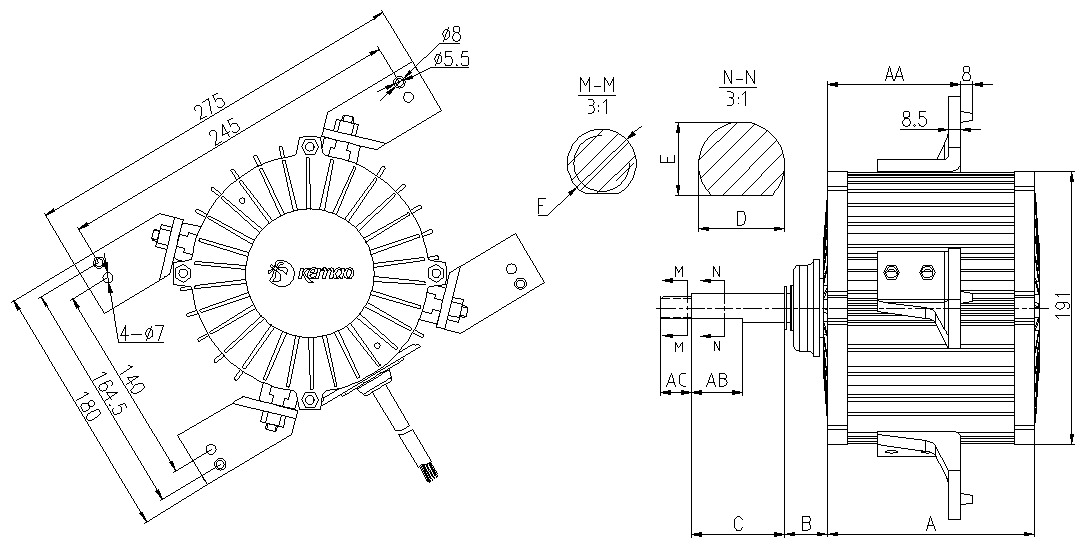
Type Power (kW) Driver Power Supply А B C D E F AA AB AC ME100S-0.55 0.55 Single-phase or three-phase driver 1 ~ 198-264VOR 3 ~ 380-480V 50/60 Frequency (Hz) 145 30 65 Φ20 17 M16*1,5 71 ~ 110 35 22 ME100S-0.75 0.75 145 71 ~ 110 ME100S-0.90 0.9 155 71 ~ 120 ME100S-1.10 1.1 165 71 ~ 130 ME100S-1.25 1.25 Three-phase driver 3 ~ 380-480V 50/60 Frequency (Hz) 165 71 ~ 130 Note: B, C, D, E, F, AB, dimensions AC current are our standard measurements, if it necessary, we can make some corresponding adjustments in accordance with customer requirements.
Related Products
-
 View More
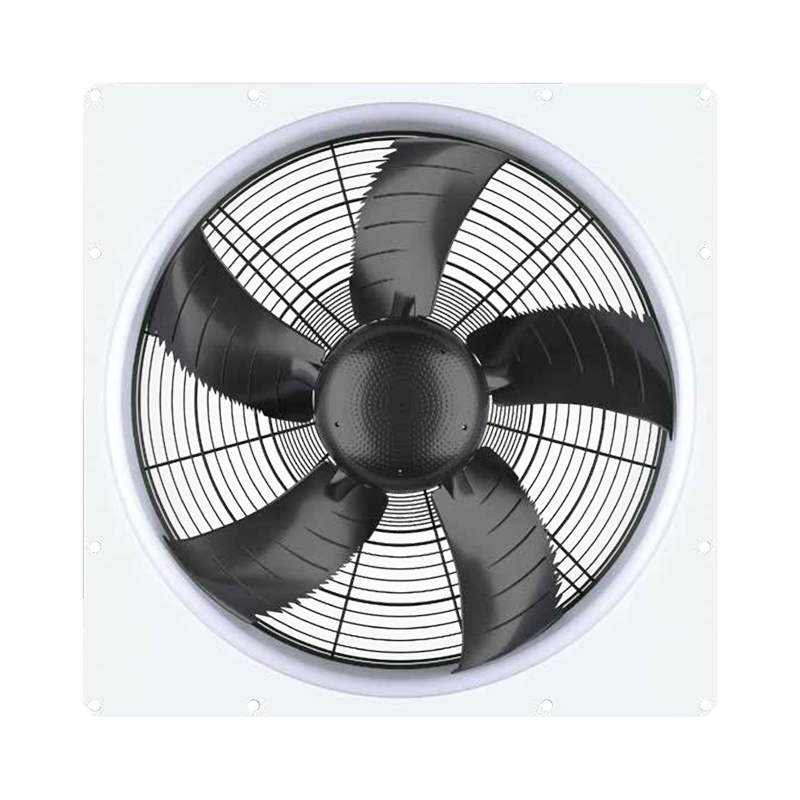
KF Series Extraordinary High Efficiency Low Noise Axial Fan
-
 View More
K Series High Efficient External Rotor EC Axial Fans
-
 View More
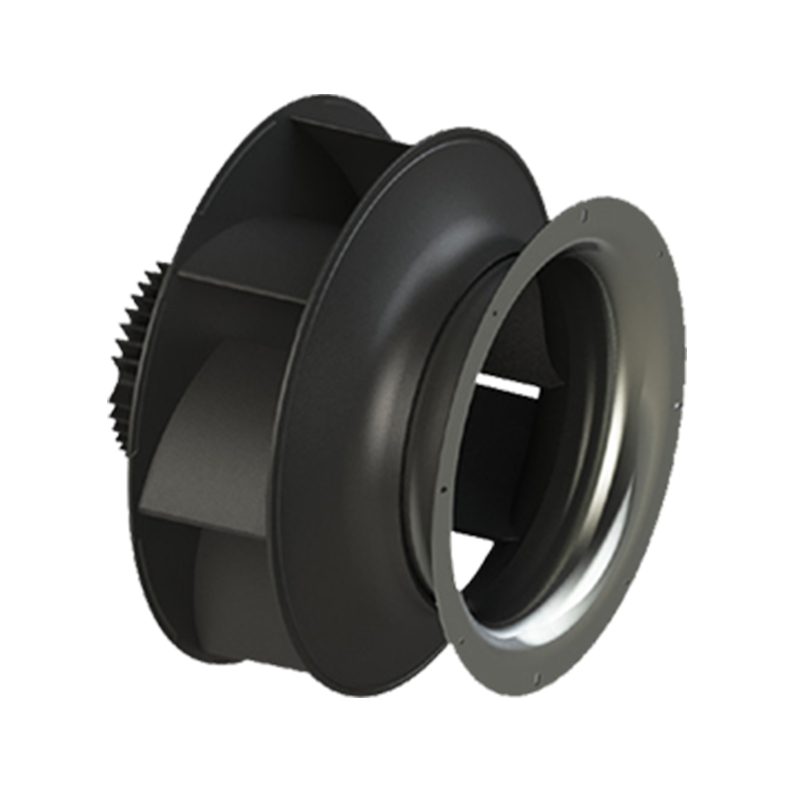
High Efficiency Backward Curved EC Centrifugal Fan
-
 View More
Aluminum Blade Centrifugal Fan
-
 View More
ODS Series Axial Fan
-
 View More
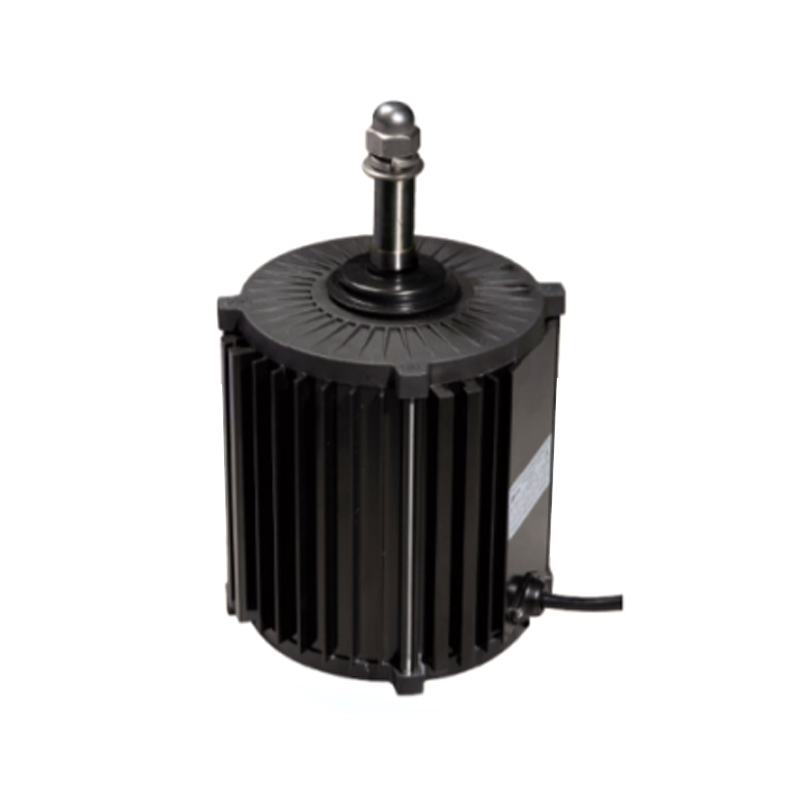
Aluminum Stretching Shell Three Phase Asynchronous Motor Motor
About Us
Zhejiang Kemao Holding Group Co., Ltd.
Zhejiang Kemao Holding Group Co., Ltd. was founded in 1994 and is located in Xinchang, Zhejiang. As China ME Series Brushless PMSM Motor Manufacturers and ME Series Brushless PMSM Motor Factory, it has 30 years of experience in HVAC axial fan manufacturing, with more than 100 R&D personnel and more than 200 patented technologies.
Kemao is a large-scale HVAC axial fan R&D and production enterprise in China, and a professional supplier of axial fans for central heating and low-temperature heat pumps.
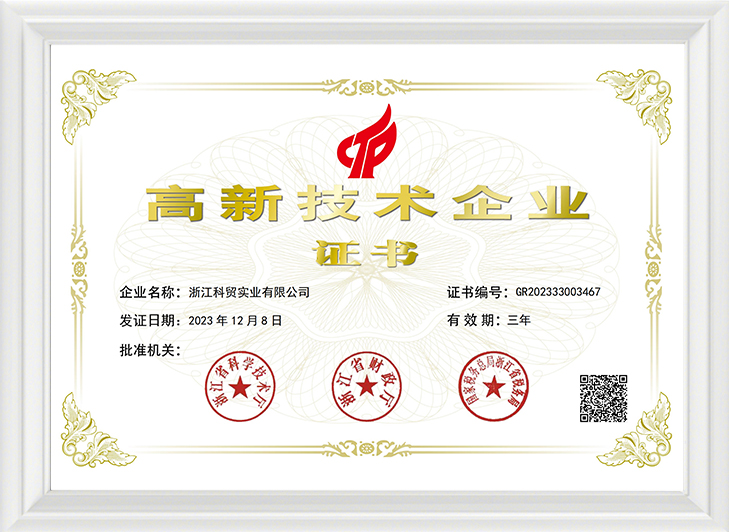
In addition, we are also a national high-tech enterprise, a member unit of the China Refrigeration and Air Conditioning Industry Association, the main drafting unit of the national standard "Axial Fan for HVAC", and the main drafting unit of the Zhejiang-made "Axial Fan for Commercial Air Conditioning" group standard.
Certificate Of Honor



Industry Knowledge Extension
What are the key factors in optimizing the efficiency of the ME Series Brushless PMSM Motor?
The efficiency optimization of the ME Series Brushless PMSM Motor is primarily reflected in several key factors, including the selection of permanent magnet materials, rotor design, stator winding optimization, and optimization of the motor drive control system.
The selection of permanent magnet materials is crucial to the efficiency of the motor. High-performance rare earth permanent magnet materials (such as neodymium iron boron (NdFeB)) are widely used in PMSMs because they provide a stronger magnetic field within a smaller volume. Their high magnetic energy product enables the motor to deliver high torque at lower currents, thereby improving energy efficiency. The quality and stability of the permanent magnet material directly impact the motor's power density and temperature rise, ensuring stable operation under high loads and high temperatures.
Rotor design is also a key factor influencing efficiency. The ME Series Brushless PMSM Motor utilizes a high-efficiency rotor design, typically using a thin layer of permanent magnet material. This results in a more uniform rotor magnetic field distribution and minimizes magnetic field losses. In some high-efficiency motors, the rotor may also feature a segmented structure, optimizing the air gap between the rotor and stator, further improving motor efficiency.
Optimizing the stator winding also significantly impacts motor efficiency. Modern PMSMs often employ short-slot or slotless designs, which help reduce current loss and improve electromagnetic conversion efficiency. High-conductivity copper wire is typically used for the stator winding to reduce resistance losses during current flow. Using an appropriate winding configuration (such as a combination of concentrated and distributed windings) can reduce electromagnetic interference and improve overall motor performance.
Optimizing the motor drive control system is also crucial. Modern PMSMs are often equipped with advanced digital control systems, such as field-of-control (FOC) and direct torque control (DTC). These control strategies precisely adjust the current phase and amplitude to maximize motor efficiency under varying operating conditions. By monitoring the motor's operating status in real time and adjusting the control strategy, optimal motor performance can be maintained during load fluctuations and high-speed operation, further improving energy efficiency.
How does the choice of permanent magnet material affect motor performance in the ME Series Brushless PMSM Motor?
The performance of the ME Series Brushless PMSM Motor is closely linked to the choice of permanent magnet material, particularly in terms of power density, thermal stability, cost, and durability. Permanent magnets are one of the core components that determine performance in a motor, primarily used to generate the magnetic field in the rotor. Common permanent magnet materials include neodymium iron boron (NdFeB), aluminum nickel cobalt (AlNiCo), and ferrite. However, in the ME Series Brushless PMSM Motor, NdFeB is widely used due to its excellent magnetic properties.
NdFeB is one of the highest-performing permanent magnet materials currently available, boasting an extremely high magnetic energy product. This means it can generate a strong magnetic field within a small volume, thereby increasing the motor's power density. This high energy product not only enables the motor to deliver high torque at low current, but also significantly improves its efficiency. NdFeB also offers a low volume-to-weight ratio, making it suitable for applications where both size and weight are critical, such as electric vehicles (EVs) and autonomous driving technologies.
The high cost of NdFeB is also a significant issue. Neodymium iron boron (NdFeB) is a rare earth element material. Its raw materials are scarce and expensive, which increases the production cost of electric motors. To reduce costs, some manufacturers use hybrid permanent magnet materials (such as mixing NdFeB with ferrite) to reduce the proportion of rare earth materials used, but this may sacrifice some performance. In certain applications, material selection requires a balance between performance and cost.
Thermal stability is another performance factor closely related to permanent magnet materials. Although NdFeB has a high magnetic energy product, its stability at high temperatures is poor. Above a certain temperature, NdFeB's magnetic properties degrade, affecting the motor's long-term performance. When designing the ME Series Brushless PMSM Motor, the thermal stability of the material must be considered to ensure that the motor maintains high efficiency and stability in high-temperature environments.
Durability and lifespan are also important considerations in selecting permanent magnet materials. As the motor operates over time, the material may age, weakening its magnetic properties. Therefore, when selecting permanent magnet materials, it is important to consider the material's resistance to demagnetization to ensure that the motor maintains high performance over long-term use.
How is the performance of the ME Series Brushless PMSM Motor guaranteed in high-temperature environments?
When operating in high-temperature environments, the performance of the ME Series Brushless PMSM Motor is affected by many factors, particularly the demagnetization of the permanent magnet material, the aging of the winding insulation material, and the design of the overall thermal management system. To ensure stable operation in high-temperature environments, a series of design optimization measures are typically required, including the selection of high-temperature-resistant materials, improvements to the thermal management system, and enhanced overall thermal stability of the motor.
Demagnetization of permanent magnet materials is the primary challenge facing the ME Series Brushless PMSM Motor in high-temperature environments. The magnetic properties of permanent magnets such as NdFeB gradually decrease with increasing temperature. Above a certain temperature (generally 80°C-120°C), the permanent magnet material may demagnetize, resulting in reduced motor efficiency and even loss of normal operation. To address this issue, the ME Series Brushless PMSM Motor typically uses high-temperature-stable permanent magnet materials and optimizes the rotor structure to ensure that it maintains strong magnetic properties at high temperatures. In addition, some manufacturers also add anti-demagnetization elements (such as rare earth elements like dysprosium and terbium) to permanent magnet materials to improve the material's magnetic stability at high temperatures.
The choice of winding insulation material is also a crucial factor in ensuring motor performance in high-temperature environments. The motor's stator winding requires high-temperature insulation (such as high-temperature polyester film or polyimide film) to prevent short circuits or electrical failure at high temperatures. Typically, the insulation rating of the motor winding must be higher than the ambient operating temperature to ensure the motor can operate properly and withstand damage in high-temperature environments. Furthermore, the thermal expansion characteristics of the winding material must be considered to avoid mechanical stress that could damage the winding due to excessive thermal expansion.
The design of the thermal management system is crucial to motor performance in high-temperature environments. To reduce the temperature rise of the motor during operation, an effective heat dissipation system must be designed. Common heat dissipation methods include water cooling, air cooling, and oil cooling. Water cooling systems use circulating water to remove heat from the motor's interior and are a common and efficient heat dissipation method, particularly in applications requiring high power density, such as electric vehicles. Air cooling systems are suitable for lower-power motors, using high-speed fans to remove heat. Oil cooling systems offer higher heat dissipation efficiency and are suitable for applications requiring high thermal management.
Zhejiang Kemao Holding Group Co., Ltd.'s extensive experience in the HVAC (heating, ventilation, and air conditioning) industry gives it a unique advantage in ensuring motor performance in high-temperature environments. As a leading Chinese company developing and manufacturing HVAC axial-flow fans, Zhejiang Kemao Holding Group Co., Ltd.'s expertise in fan design and thermal management systems provides strong support for motor thermal management. Founded in 1994, the company boasts over 30 years of fan manufacturing experience, a R&D team of over 100 people, and over 200 patents. As a leading company in China's HVAC industry, Zhejiang Kemao Holding Group Co., Ltd. specializes in high-efficiency fan and cooling system design. Its axial-flow fans are not only suitable for low-temperature heat pumps and central heating systems, but also offer excellent thermal management performance, particularly in high-temperature operating environments.
For the thermal management of the ME Series Brushless PMSM Motor, Zhejiang Kemao Holding Group Co., Ltd.'s technological advantages can provide inspiration and solutions for motor cooling system design. For example, leveraging its extensive experience in air cooling technology and air flow optimization in HVAC systems, Zhejiang Kemao Holding Group Co., Ltd. is able to provide customized cooling fans and ventilation systems for motor applications in high-temperature environments, ensuring long-term stability under high-temperature loads.
Through these optimization measures, combined with Zhejiang Kemao Holding Group Co., Ltd.'s innovations in cooling technology, the ME Series Brushless PMSM Motor is able to operate stably in high-temperature environments, ensuring efficient and reliable performance even under extreme operating conditions.
CONTACT US

QUICK LINKS
CONTACT INFORMATION
- Email: [email protected]
- Tel: +86-575-86287301
- FAX: +86-0575-86287300
- Address: Provincial High-tech Industrial Park, Xinchang County, Zhejiang Province, China.
© 2025 Zhejiang Kemao Holding Group Co., Ltd.
All Rights Reserved.
 Wholesale ME Series Brushless PMSM Motor Factory
