


 English
 中文简体
中文简体 русский
 Español
Fan Propeller OEM/ODM


Fan Propeller
Specifications
Diameter: φ222 ~ φ1000 mm
Material: Magnesium aluminum alloy
◇ Flat shape: compact structure, CW and CCW optional.
◇ Scythe shape: forward curved blade, large air volume and high efficiency.
◇ Bionic aerodynamic profile shape: long chord engaging bionic serrated edges, low noise and high efficiency
-
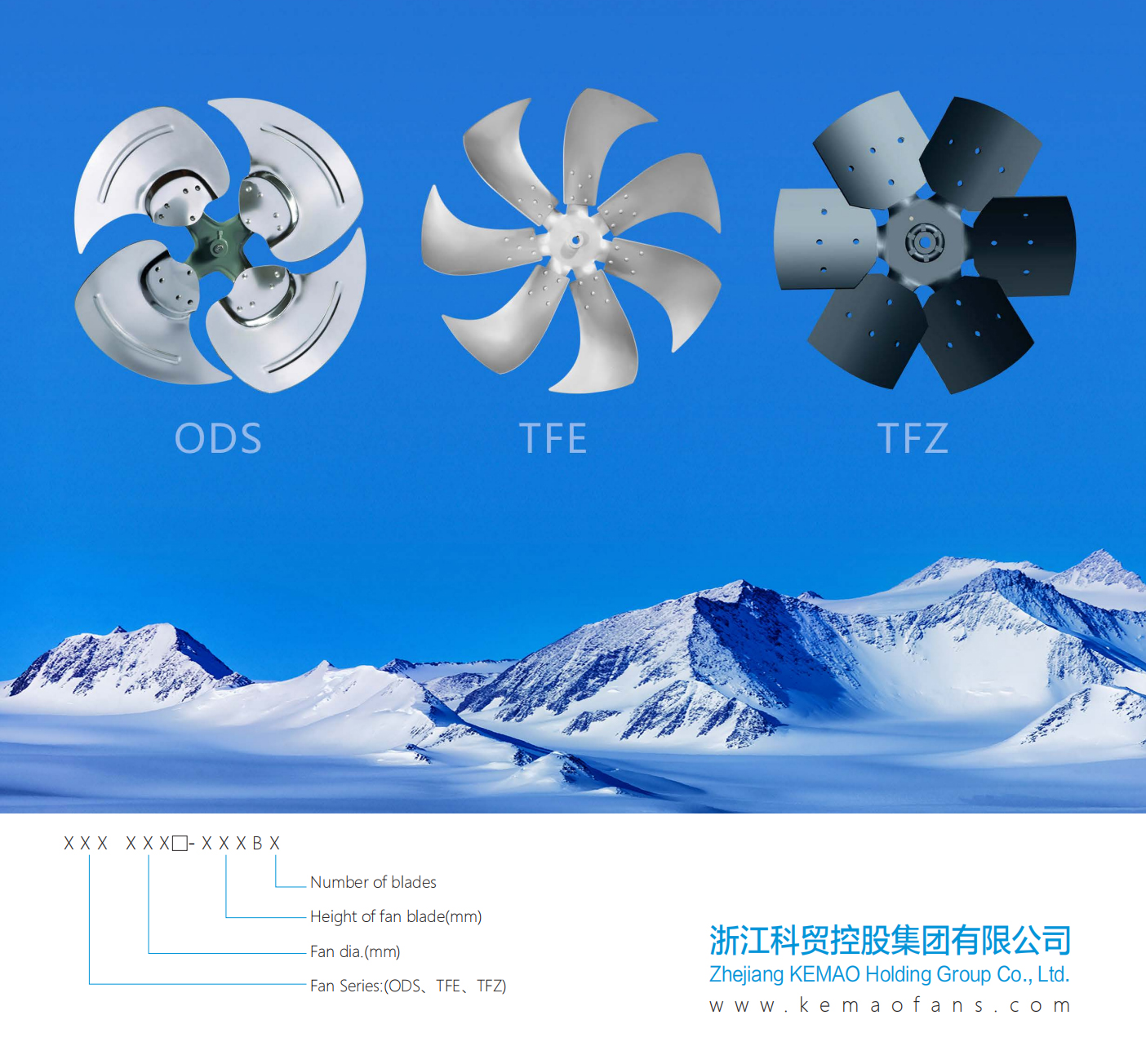
Model Rotation Shaft Hole mm Angle Range mm Max RPM Weight kg ODS460C-165B4 CCW 12/12,7/15/15,87 33 460 1400 1.5 ODS460C-185B4 CCW 12/12,7/15/15,87 33 460 960 1.3 ODS500C-135B4 CCW 12/12,7/15/15,87 27 500 1000 1.3 ODS500C-165B4 CCW 12/12,7/15/15,87 26 500 1000 1.4 ODS500C-175B3 CCW 12/12,7/15/15,87 28 500 1000 1 ODS500C-175B4 CCW 12/12,7/15/15,87 28 500 1000 1.4 ODS560C-145B4 CW/CCW 12/12,7/15/15,87 30 560 1000 1.5 ODS560C-165B4 CW/CCW 12/12,7/15/15,87 32 560 1000 1.5 ODS560C-170B4 CCW 12/12,7/15/15,87 28 560 960 1.6 ODS560C-170B5 CCW 12/12,7/15/15,87 35 560 960 2.1 ODS560C-200B5 CCW 12/12,7/15/15,87 36 560 960 2.3 ODS560C-200B5 CCW 12/12,7/15/15,87 36 560 960 2.3 ODS585D-145B4 CCW 12/12,7/15/15,87 25 585 1200 1.7 ODS610C-150B4 CCW 12/12,7/15/15,87 26.5 610 1000 1.6 ODS610C-165B4 CCW 12/12,7/15/15,87 30 610 1000 1.5 ODS630C-150B4 CCW 12/12,7/15/15,87 28.5 630 1000 2.2 ODS630C-165B4 CCW 12/12,7/15/15,87 29 630 1000 2.2 ODS660C-150B4 CCW 12/12,7/15/15,87 27 660 1000 2.6 ODS660C-165B4 CCW 12/12,7/15/15,87 30 660 1000 2.6 ODS680C-145B4 CCW 15/15,87 26 684 1000 2.6 ODS680C-165B4 CCW 15/15,87 30 680 1000 4.1 ODS710C-125B4 CCW 15,87/19 23.5 710 1200 3.8 ODS710C-135B4 CCW 15,87/19 26 710 1200 4 ODS710C-135B5 CCW 15,87/19 26 710 1000 4.5 ODS710C-145B4 CCW 19 27 710 1000 3 ODS710C-150B5 CCW 19 28 710 1000 4.5 ODS710C-200B4 CCW 19 24 710 1000 4.5 ODS760C-140B4 CCW 19 21.5 760 1000 4.2 ODS760C-190B4 CCW 19 23 760 1000 5.1 ODS760C-200B4 CCW 19 24 760 1000 5.1 ODS760C-215B4 CCW 19 26 760 1000 5.1 ODS760C-215B4 CCW 19 26 760 1000 5.1 Model Rotation Shaft Hole mm Angle Range mm Max RPM Weight kg TFE400-70B5 CW 12/12,7/15/15,87 32 395 1500 0 TFE450-60B5 CCW 12/12,7/15/15,87 23 450 1450 1 TFE460-75B5 CCW 12/12,7/15/15,87 31 460 1450 1 TFE460-85B5 CCW 12/12,7/15/15,87 35 460 1450 1 TFE500-75B5 CCW 12/12,7/15/15,87 31 500 1450 1.2 TFE500-85B5 CCW 12/12,7/15/15,87 35 500 1500 1.5 TFE560C-60B5 CW 12/12,7/15/15,87 23 560 1200 2.4 TFE560C-80B6 CW 12/12,7/15/15,87 30 560 1400 2.9 TFE630C-60B5 CW 12,7/15/15,88/19 24 630 1500 3.2 TFE630C-70B5 CW 12,7/15/15,88/19 27 630 1500 3.2 TFE630C-95B5 CW 12,7/15/15,88/19 33 630 1200 3 TFE630C-110B5 CW 12,7/15/15,88/19 40 630 960 3.2 TFE630C-115B6 CW 12,7/15/15,88/19 39 630 1000 2.7 TFE660C-100B6 CW 12,7/15/15,88/19 36 660 1000 3 TFE710C-70B5 CW 19 27 710 1200 3.4 TFE710C-80B5 CW 19 31 710 1200 3.5 TFE710C-100B5 CW 19 37 710 1000 3.1 TFE760C-80B5 CW 24 28.5 760 1200 5.2 TFE760C-90B5 CW 19 35 760 1000 3.6 TFE760C-100B5 CW 19 36 760 1000 3.6
Related Products
-
 View More
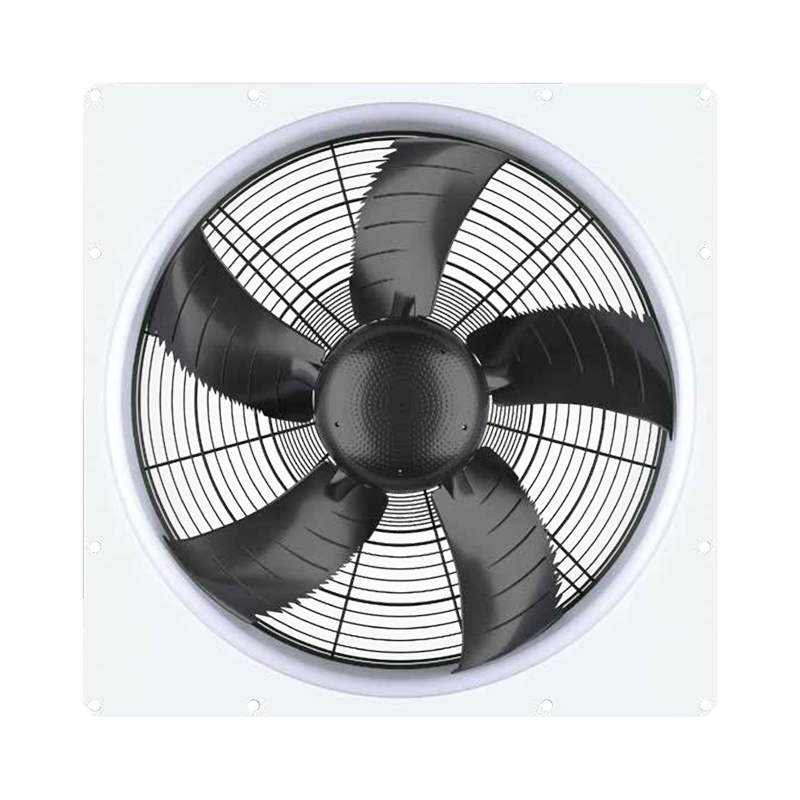
KF Series Extraordinary High Efficiency Low Noise Axial Fan
-
 View More
K Series High Efficient External Rotor EC Axial Fans
-
 View More
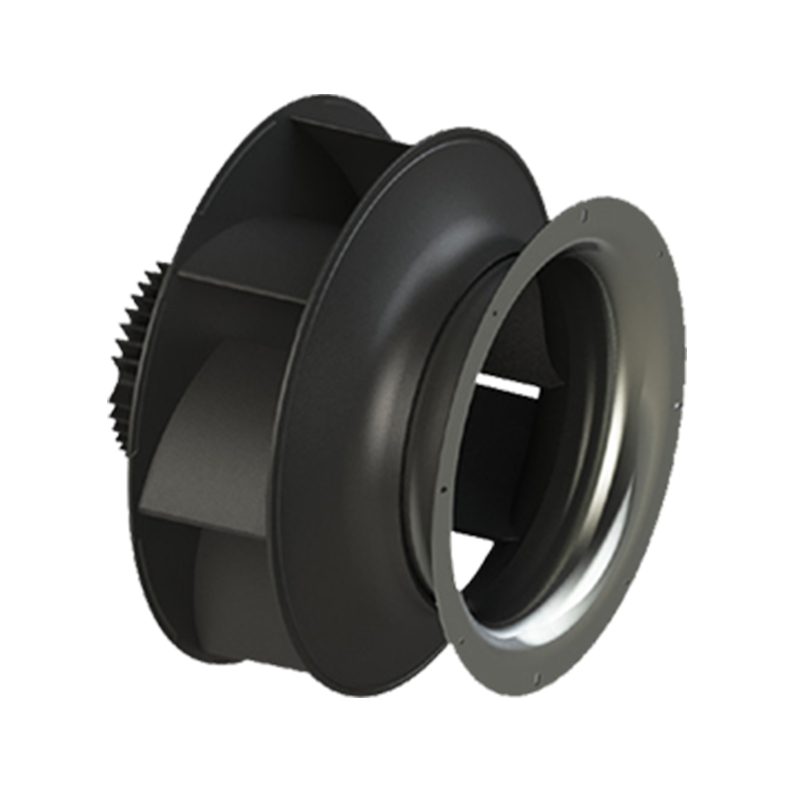
High Efficiency Backward Curved EC Centrifugal Fan
-
 View More
Aluminum Blade Centrifugal Fan
-
 View More
ODS Series Axial Fan
-
 View More
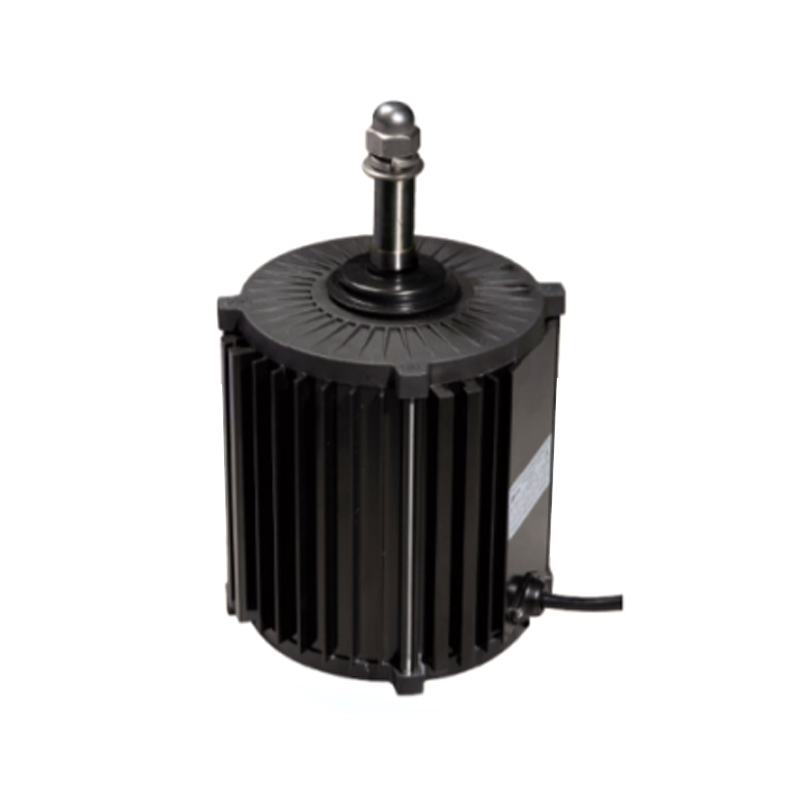
Aluminum Stretching Shell Three Phase Asynchronous Motor Motor
About Us
Zhejiang Kemao Holding Group Co., Ltd.
Zhejiang Kemao Holding Group Co., Ltd. was founded in 1994 and is located in Xinchang, Zhejiang. As China Fan Propeller Manufacturers and Fan Propeller Factory, it has 30 years of experience in HVAC axial fan manufacturing, with more than 100 R&D personnel and more than 200 patented technologies.
Kemao is a large-scale HVAC axial fan R&D and production enterprise in China, and a professional supplier of axial fans for central heating and low-temperature heat pumps.
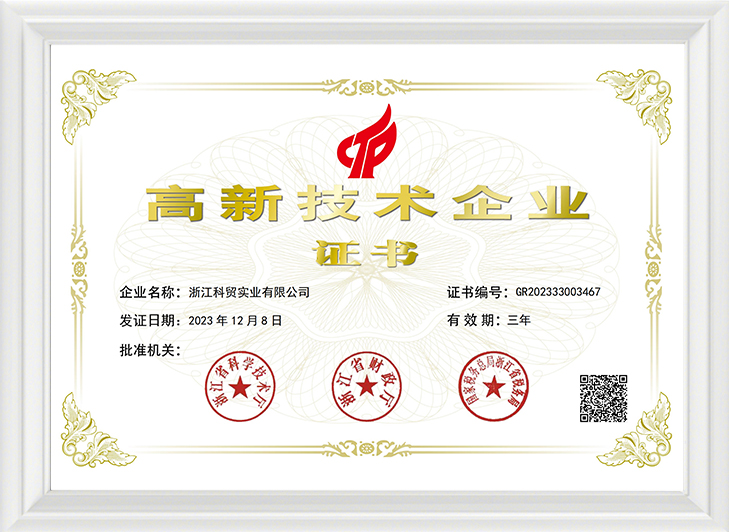
In addition, we are also a national high-tech enterprise, a member unit of the China Refrigeration and Air Conditioning Industry Association, the main drafting unit of the national standard "Axial Fan for HVAC", and the main drafting unit of the Zhejiang-made "Axial Fan for Commercial Air Conditioning" group standard.
Certificate Of Honor



Industry Knowledge Extension
What are the aerodynamic design principles of a fan propeller?
The primary focus of fan propeller aerodynamic design is maximizing airflow efficiency while minimizing energy loss. Key considerations in aerodynamic design include blade shape, angle, number, rotational speed, and the interaction between the blades and the fluid.
Fan propeller blades are typically designed with a curved shape, similar to the design of an aircraft wing. This is because curved blades improve airflow efficiency by changing airflow velocity and pressure while generating thrust. The degree of blade curvature determines the degree of airflow acceleration and pressure distribution, thus affecting fan efficiency. Optimizing the blade shape, particularly the leading and trailing edges, can reduce airflow resistance and improve thrust output.
The blade angle of attack (the angle between the blade and the airflow) is also a key design factor. Excessively large angles of attack can cause airflow separation, generating vortices and unstable airflow, resulting in reduced efficiency and even fan stall. Therefore, fan propeller design must ensure a reasonable angle of attack to achieve optimal aerodynamic efficiency.
The fan propeller's rotational speed is also a significant factor influencing thrust. Increasing the speed generally increases air velocity, thereby increasing thrust, but this also comes with increased energy consumption and noise. Therefore, the design requires a balance between thrust and energy efficiency.
How does fan propeller material selection affect performance?
The material selection of a fan propeller has a profound impact on its performance, lifespan, and maintenance costs. The mechanical properties, corrosion resistance, weight, and cost of different materials are key considerations in fan design. Common fan propeller materials include aluminum alloy, steel, plastic, and composites, each with its own advantages and disadvantages.
Aluminum alloy is a common material for fan propellers, primarily due to its low density, excellent mechanical properties, and corrosion resistance. Its lightweight properties enable the fan propeller to operate with lower energy consumption, reducing the burden on the entire system. Aluminum alloy also has good processability and can be easily manufactured into complex geometries. However, its disadvantages are limited strength and high-temperature resistance, which can lead to fatigue, especially under high loads and high temperatures.
Steel is often used for fan propellers that must withstand heavy loads, especially in heavy-duty industrial applications. Steel's strength and rigidity are far superior to aluminum alloys, making it suitable for high-stress operating environments. However, steel's disadvantage is its weight, which can increase the strain on the fan system and reduce energy efficiency.
Plastics and composite materials (such as carbon fiber and fiberglass) are becoming increasingly popular in modern fan propeller designs. Composite materials offer high specific strength (weight-to-strength ratio) and corrosion resistance, enabling them to reduce weight while maintaining good structural strength. For example, carbon fiber is lightweight yet extremely strong, making it suitable for high-performance aviation or racing fan propellers. The disadvantages of composite materials are their high production costs and demanding manufacturing processes.
The choice of fan propeller material should be based on a comprehensive consideration of the application environment, cost budget, performance requirements, and maintenance cycle. Metal is more suitable for high-temperature, high-load environments, while composite materials may be a better choice for applications with higher weight and energy efficiency requirements.
How do the design requirements for fan propellers differ across different application scenarios (such as aviation, industrial, and marine)?
Fan propeller design requirements vary depending on the application scenario, encompassing sectors such as aviation, industry, and marine. Each sector places distinct demands on fan performance, material selection, and design structure.
In aviation, fan propellers are commonly used in turbofan engine propulsion systems. To meet the industry's stringent thrust efficiency and fuel consumption requirements, fan propellers must exhibit excellent aerodynamic performance. The fan blades must be designed with lightweight, high-strength materials to withstand the stresses of high rotational speeds while also being heat-resistant and fatigue-resistant. Material selection is particularly crucial in this field, with high-strength titanium alloys or composite materials often used to enhance fan propeller performance.
Zhejiang Kemao Holding Group Co., Ltd.'s technical R&D team boasts a strong technical advantage in this area. The team comprises over 50 professional technicians and over 80 engineers, including a professor, an associate professor, three senior engineers, and several PhDs and certified engineers. Leveraging the team's strong innovation capabilities and extensive industry experience, Zhejiang Kemao Holding Group Co., Ltd. was able to incorporate cutting-edge technologies from the aviation industry, employing advanced computational fluid dynamics (CFD) simulations and multidisciplinary design optimization methods to improve the fan propeller's aerodynamic efficiency and reduce wear and tear due to material fatigue, thereby enhancing overall engine performance.
Zhejiang Kemao Holding Group Co., Ltd. has also established in-depth industry-university-research collaborations with leading research institutions such as Zhejiang University, providing solid technical support for fan propeller material development and performance optimization. Through this collaboration, Zhejiang Kemao Holding Group Co., Ltd. is able to leverage cutting-edge scientific research findings and apply them to practical products, driving innovation in fan technology.
In industrial applications, fan propellers are widely used in air conditioning, ventilation, and cooling systems, and their design emphasizes reliability, durability, and energy efficiency. Compared to the aviation sector, industrial fans operate in more tolerant environments and are typically not subject to extremely high temperatures and loads. Therefore, fan propeller design focuses more on maintaining high efficiency over long-term operation while minimizing noise. The blade shape, rotational speed, and material selection are optimized for the specific industrial environment. Zhejiang Kemao Holding Group Co., Ltd.'s technological advantage in this field is reflected in its strong R&D capabilities. The company boasts a highly skilled R&D team capable of customizing fan propeller designs based on specific application scenarios. For example, by utilizing efficient aerodynamic models and CFD simulation analysis, Zhejiang Kemao Holding Group Co., Ltd. is able to effectively optimize blade shape, thereby reducing noise while increasing air flow. Zhejiang Kemao Holding Group Co., Ltd.'s partnership with Zhejiang University enables it to leverage advanced materials technology to develop corrosion-resistant, low-noise, and high-efficiency industrial fans to meet the needs of various industries.
In the marine sector, fan propellers (particularly propellers) must provide powerful and efficient thrust in underwater environments. Because water is much denser than air, marine propeller design must effectively overcome water resistance and maximize propulsion. Furthermore, marine propellers must exhibit excellent corrosion resistance to withstand the erosion of seawater.
Zhejiang Kemao Holding Group Co., Ltd. also possesses significant technical reserves and advantages in this field. Leveraging the extensive expertise of its R&D team, the company is able to provide customized fan propeller designs for vessels. Through collaboration with research institutions, Zhejiang Kemao Holding Group Co., Ltd. utilizes innovative composite materials and anti-corrosion technologies to produce highly durable propellers, particularly well-suited for marine environments. Furthermore, through sophisticated CFD simulation analysis, the company optimizes propeller hydrodynamic performance, reducing energy consumption and increasing thrust.
CONTACT US

QUICK LINKS
CONTACT INFORMATION
- Email: [email protected]
- Tel: +86-575-86287301
- FAX: +86-0575-86287300
- Address: Provincial High-tech Industrial Park, Xinchang County, Zhejiang Province, China.
© 2025 Zhejiang Kemao Holding Group Co., Ltd.
All Rights Reserved.
 Wholesale Fan Propeller Factory
