


 English
 中文简体
中文简体 русский
 Español
Fan Panel and Venturi OEM/ODM
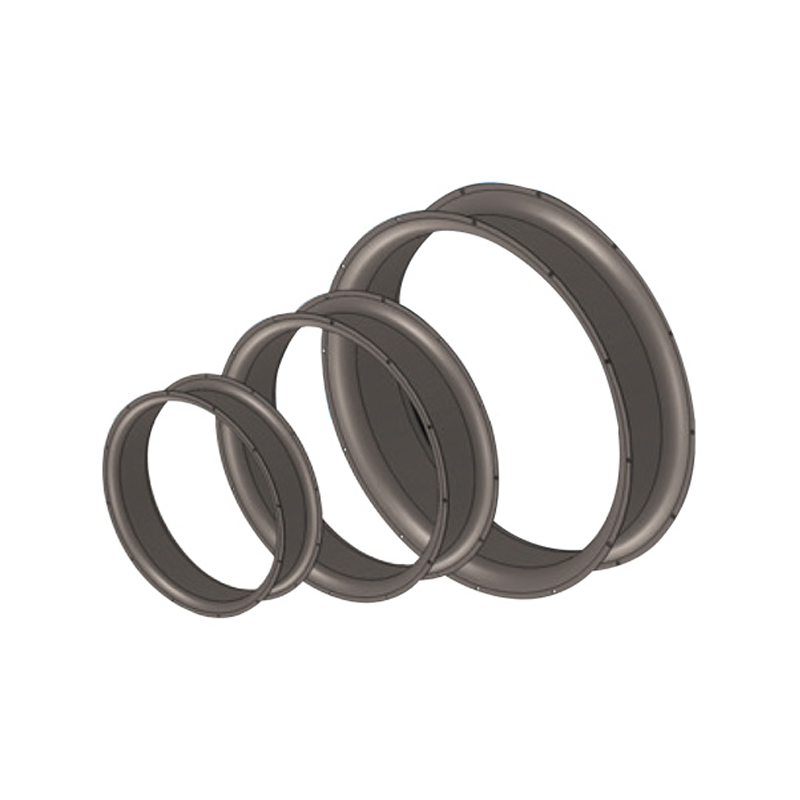
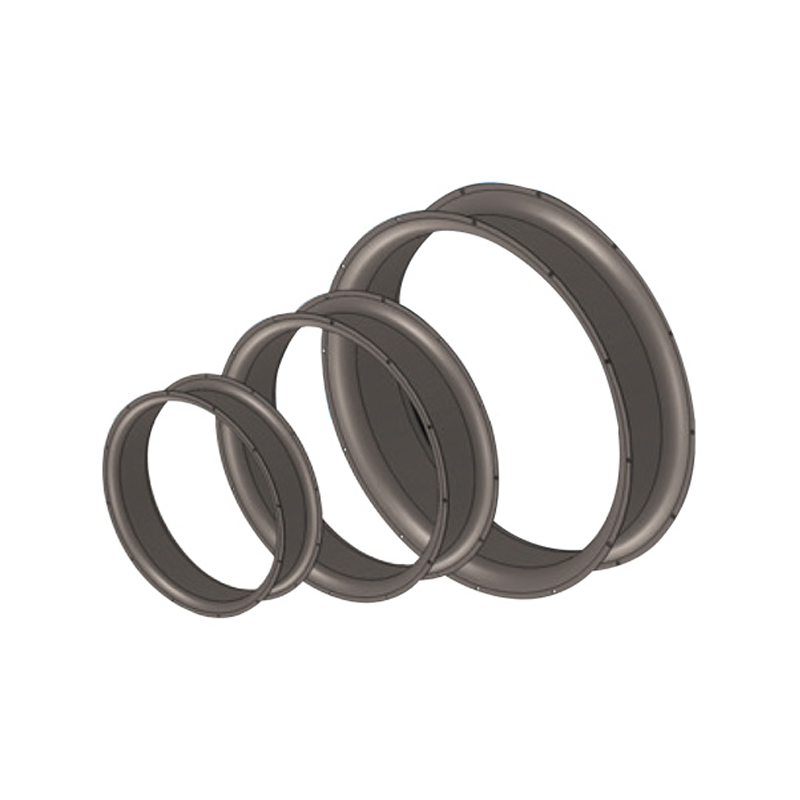
Fan Panel and Venturi
Use galvanized steel sheet, the size of the stamping forming.
Diameter: Ø400 mm to Ø920 mm
Can be made as per dient’s requests
Feature:
Large circular ring, reducing the fan induction loss
Low noise, improve the efficiency of the fans’structure
Related Products
-
 View More
KF Series Extraordinary High Efficiency Low Noise Axial Fan
-
 View More
K Series High Efficient External Rotor EC Axial Fans
-
 View More
High Efficiency Backward Curved EC Centrifugal Fan
-
 View More
Aluminum Blade Centrifugal Fan
-
 View More
ODS Series Axial Fan
-
 View More
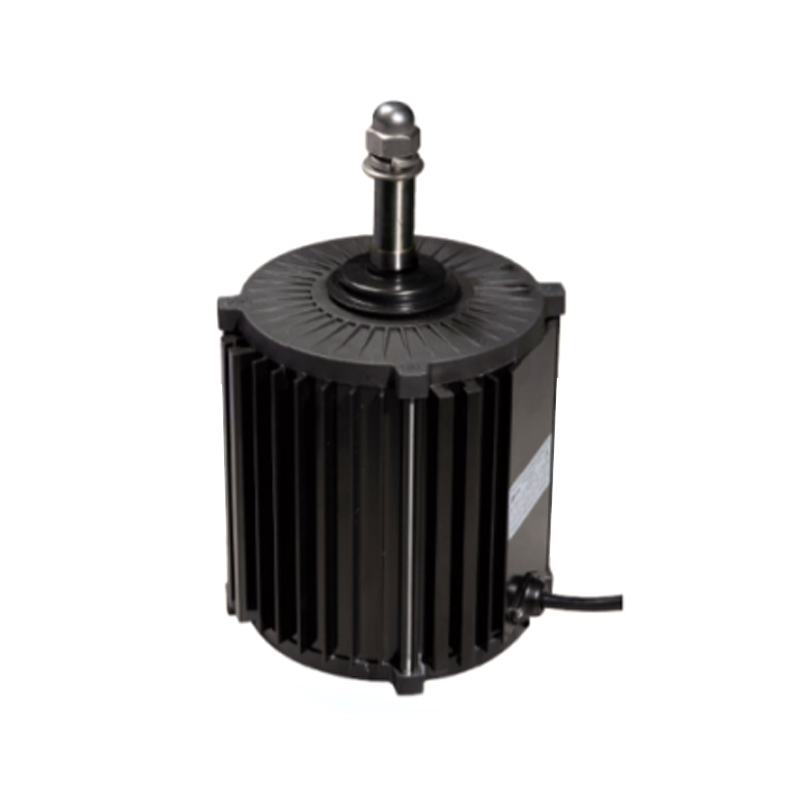
Aluminum Stretching Shell Three Phase Asynchronous Motor Motor
About Us
Zhejiang Kemao Holding Group Co., Ltd.
Zhejiang Kemao Holding Group Co., Ltd. was founded in 1994 and is located in Xinchang, Zhejiang. As China Fan Panel and Venturi Manufacturers and Fan Panel and Venturi Factory, it has 30 years of experience in HVAC axial fan manufacturing, with more than 100 R&D personnel and more than 200 patented technologies.
Kemao is a large-scale HVAC axial fan R&D and production enterprise in China, and a professional supplier of axial fans for central heating and low-temperature heat pumps.
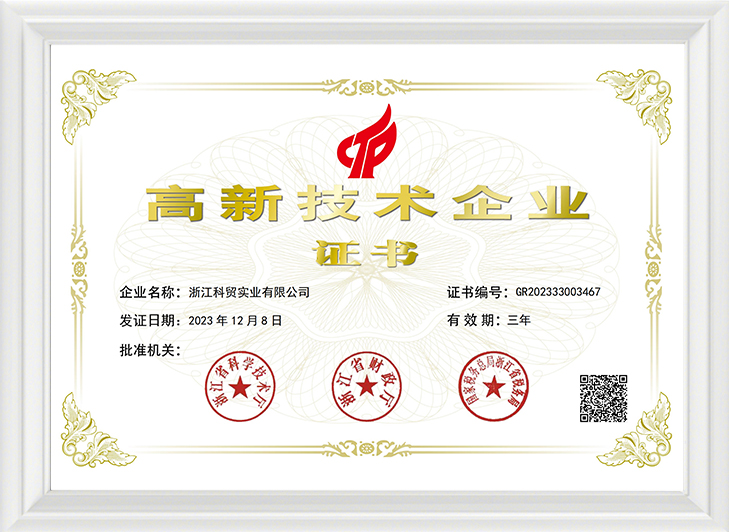
In addition, we are also a national high-tech enterprise, a member unit of the China Refrigeration and Air Conditioning Industry Association, the main drafting unit of the national standard "Axial Fan for HVAC", and the main drafting unit of the Zhejiang-made "Axial Fan for Commercial Air Conditioning" group standard.
Certificate Of Honor



Industry Knowledge Extension
Fan Panel and Venturi Application and Performance Analysis in Air Conditioning Systems
The synergistic application of fan panels and venturis is crucial in air conditioning systems. They not only improve air circulation efficiency but also play a key role in energy efficiency, noise control, and heat exchange efficiency. With growing market demand for energy-efficient, low-noise, and high-efficiency air flow systems, optimizing these designs to improve the overall performance of air conditioning systems has become a key focus in the industry. Zhejiang Kemao Holding Group Co., Ltd., leveraging its strong technical expertise and advanced testing equipment, provides outstanding solutions in this area.
Fan panel design primarily optimizes airflow paths by adjusting the panel's shape, angle, and surface smoothness, ensuring even air flow through the cooling or heating elements of the air conditioning system. The optimal design of the fan panel is crucial for air conditioning systems because it determines whether air effectively contacts the heat exchanger, thereby improving heat exchange efficiency. By carefully designing the fan panel's aerodynamic characteristics, Zhejiang Kemao Holding Group Co., Ltd. ensures that the panel's shape and angle maximize air flow while minimizing pressure loss during air flow.
The Venturi effect accelerates airflow, reduces pressure loss, and increases air velocity by designing duct sections with converging ducts. The application of the Venturi effect in air conditioning systems significantly improves airflow stability and increases air flow efficiency while reducing energy consumption. This not only optimizes the cooling and heating efficiency of the air conditioning system, but also reduces fan energy consumption and reduces noise caused by unstable air flow.
Zhejiang Kemao Holding Group Co., Ltd. possesses significant technological advantages in fan panel and Venturi effect design. The company has established a comprehensive fan performance testing laboratory equipped with industry-leading testing and production equipment, including Siemens LMS vibration and noise analysis systems, vibration balancing testers, and high-precision production equipment such as laser cutting machines, AMADA equipment, and robotic motor assembly lines. These equipment ensures the precision and reliability of fan panels and Venturi systems during production.
In the air conditioning system testing phase, Zhejiang Kemao Holding Group Co., Ltd. utilizes an internationally certified GMPI testing system. This rigorous performance test of fans and Venturi systems is conducted using advanced facilities such as high- and low-temperature laboratories, dual-85 test equipment, and a semi-anechoic chamber. This series of high-precision testing equipment enables the company to comprehensively evaluate key product indicators such as aerodynamic performance, noise levels, and durability, ensuring their efficiency and stability in actual use.
Zhejiang Kemao Holding Group Co., Ltd. also conducts long-term, high-load reliability tests on the air conditioning system's fan panels and Venturi components using a VFD simulation system and drive aging equipment to ensure product stability and high efficiency over extended periods of operation. These advanced testing methods enable the company to continuously optimize designs and enhance system durability, energy efficiency, and comfort.
In the production phase, Zhejiang Kemao Holding Group Co., Ltd. not only relies on high-precision production equipment to ensure precise manufacturing of fan panels and Venturi systems, but also conducts dynamic balancing and noise control tests to ensure the balance and low noise levels of each component. This provides a strong guarantee for the overall performance of the air conditioning system.
What are the aerodynamic principles in fan panel design?
The aerodynamic design principles of fan panels involve optimizing the panel's geometry, airflow path, and airflow characteristics to improve fan system efficiency. The primary function of a fan panel is to guide airflow, help increase airflow velocity, and minimize energy loss. They typically control the direction and speed of airflow to ensure fan output efficiency.
The shape of a fan panel is crucial to airflow. Designers typically optimize fan aerodynamic performance by reducing airflow resistance through streamlined designs. The shape of the fan panel's leading edge, its angle, and surface finish all directly influence airflow patterns. A properly designed panel shape maximizes airflow stability and minimizes vortex formation and airflow separation, which contribute to energy loss.
Adjusting the angle of the fan panel is also crucial. The panel's angle (angle of attack) controls the interaction between the airflow and the panel, directly affecting the thrust output of the panel. Excessive angles of attack can lead to airflow separation, reducing efficiency; too small an angle of attack may result in insufficient thrust generation. Therefore, designers need to accurately calculate the angle of attack based on the fan's speed, expected airflow direction, and pressure requirements.
In modern fan panel design, advanced computational fluid dynamics (CFD) technology enables precise simulation of airflow to optimize the design and predict actual aerodynamic performance. This allows designers to precisely adjust the panel shape and structure to maximize the fan's aerodynamic efficiency under varying operating conditions.
What is the application of the Venturi effect in fan panel systems?
The Venturi effect is a key phenomenon in fluid mechanics, referring to the increase in velocity and decrease in pressure when a fluid passes through a converging section of a duct. In fan panel systems, the Venturi effect is widely used to optimize the velocity and pressure distribution of air flow, thereby improving overall system performance.
In fan systems, the Venturi effect is often achieved through designs with converging ducts. When air flows through a converging section, the fluid's velocity accelerates due to the reduction in flow area, while, according to Bernoulli's principle, the pressure decreases accordingly. By utilizing this effect, fan panel designs can increase airflow velocity, thereby enhancing kinetic energy and thrust output.
The key to Venturi design lies in the shape, length, and angle of the constriction. These factors directly influence flow velocity and pressure distribution. In fan panel systems, precise Venturi design can reduce pressure loss and avoid energy waste caused by unstable flow. Furthermore, the Venturi effect can help reduce overall system energy consumption, as lower pressure means the fan can produce the same airflow rate with less power consumption.
Another major advantage of the Venturi effect is that it improves airflow stability, reducing vortices and irregularities. This is crucial for many applications, especially those requiring high airflow precision (such as HVAC and wind tunnel testing). Proper Venturi design can also effectively control fan system noise, as stable airflow generally means lower noise levels.
CONTACT US

QUICK LINKS
CONTACT INFORMATION
- Email: [email protected]
- Tel: +86-575-86287301
- FAX: +86-0575-86287300
- Address: Provincial High-tech Industrial Park, Xinchang County, Zhejiang Province, China.
© 2025 Zhejiang Kemao Holding Group Co., Ltd.
All Rights Reserved.
 Wholesale Fan Panel and Venturi Factory
