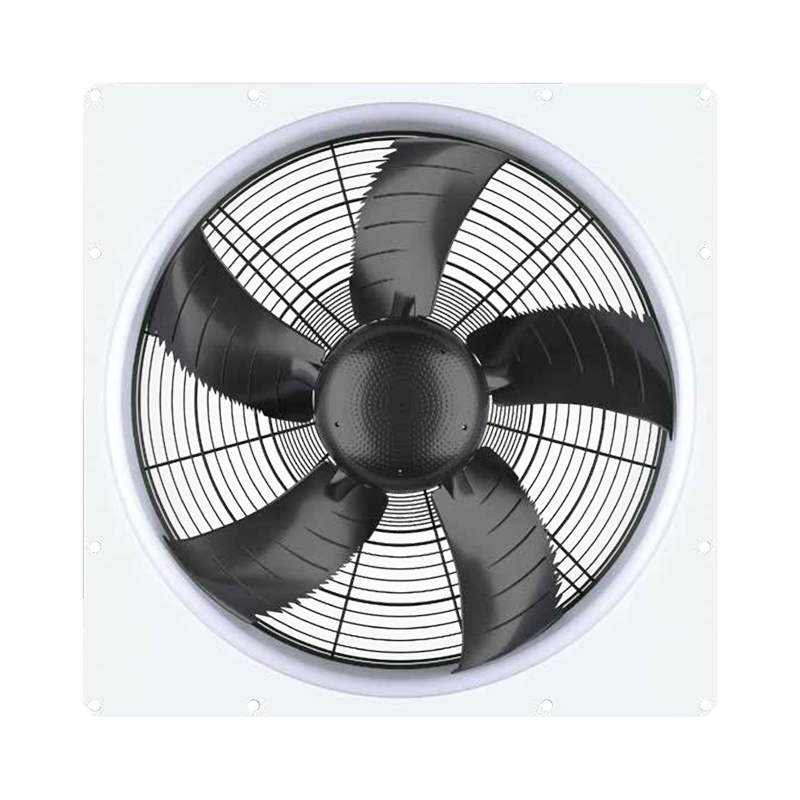
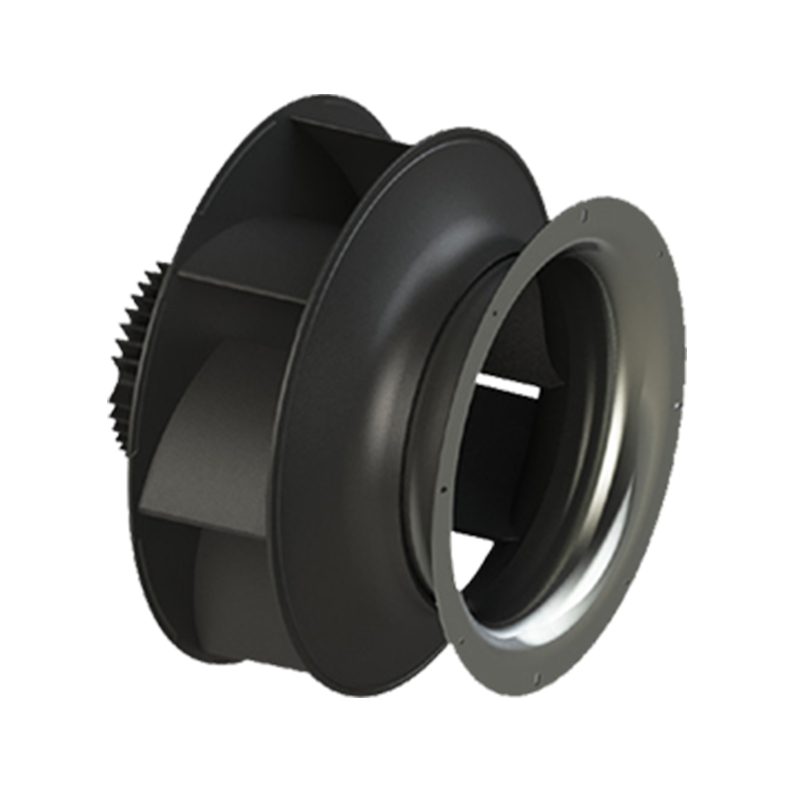
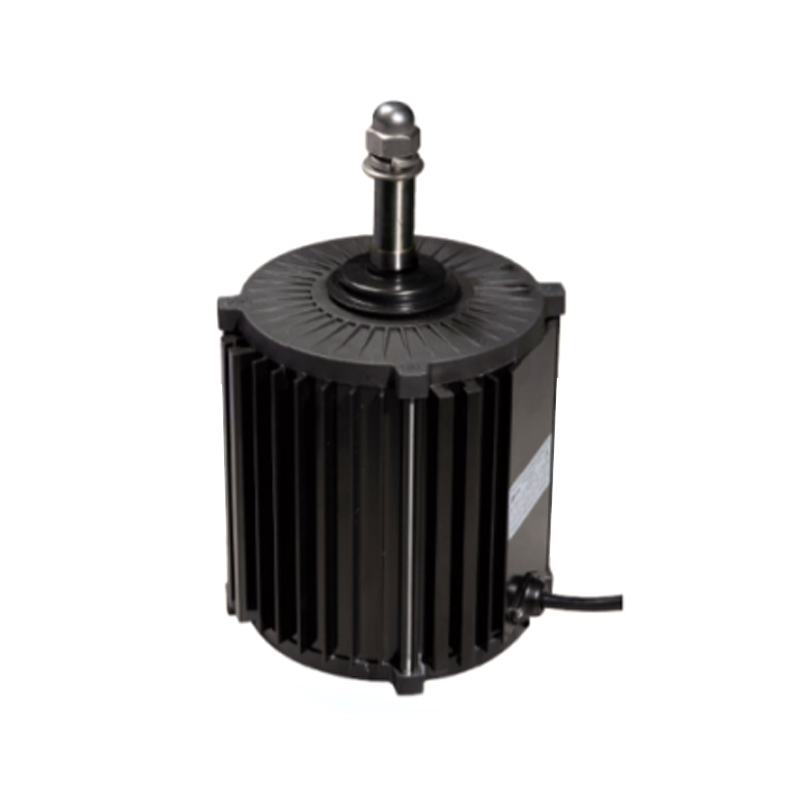
The operational stability of modern high-density computing environments is fundamentally dependent on the mechanical efficiency and reliability of the Data center fan. As server components, particularly CPUs and GPUs, reach unprecedented thermal design power (TDP) levels, the role of a "Data center fan" has transitioned from a simple cooling component to a highly sophisticated airflow management system. These fans are engineered to operate continuously for tens of thousands of hours, maintaining precise static pressure and cubic feet per minute (CFM) ratings under varying loads. The integration of advanced aerodynamics, pulse-width modulation (PWM) control, and vibration-dampening materials ensures that a Data center fan can mitigate heat buildup within 1U, 2U, or 4U rackmount chassis while minimizing energy consumption and acoustic noise.
What Are the Core Aerodynamic and Mechanical Standards for a Modern Data Center Fan?
The physical design of a Data center fan is the result of rigorous fluid dynamics modeling aimed at maximizing air intake while overcoming the resistance posed by dense heat sinks and cable management systems within the server.
-
Blade Geometry and Impeller Design: The blades of a high-end Data center fan are typically crafted from glass-fiber reinforced plastics or specialized polymers that resist deformation at high rotational speeds (RPM). The curvature and angle of the blades are optimized to produce a laminar airflow pattern, reducing turbulence which can cause localized "hot spots" within the server cabinet. For dual-rotor Data center fan configurations, the two sets of blades rotate in opposite directions. This counter-rotating design is crucial for increasing static pressure, allowing the air to be forced through the narrow fins of high-density copper heat sinks that would otherwise choke a standard cooling fan.
-
Bearing Technology and Longevity: Since a Data center fan must operate 24/7/365, the choice of bearing is critical. Dual-ball bearing systems are the industry standard for enterprise-grade applications due to their high tolerance for heat and ability to operate in any orientation (horizontal or vertical). Some specialized "Data center fan" models utilize fluid dynamic bearings (FDB) or magnetic levitation (MagLev) technology to virtually eliminate mechanical friction. These technologies significantly extend the Mean Time Between Failures (MTBF), often exceeding 150,000 hours at 40°C, ensuring that the cooling system does not become a single point of failure for the entire server node.
-
Static Pressure vs. Airflow Volume: In the context of a server rack, airflow volume (measured in CFM) is often secondary to static pressure (measured in mmH2O or inch-H2O). A Data center fan must generate enough pressure to overcome the impedance of the air filters, the server bezel, and the internal component density. Modern "Data center fan" units are rated for high static pressure to ensure that cool air reaches the components at the rear of the chassis, even when the frontal intake is partially obstructed. This balance is achieved through high-speed motor windings that allow the fan to reach speeds up to 15,000 or 20,000 RPM in extreme cooling scenarios.
The following table summarizes the technical specifications across different categories of the Data center fan:
|
Fan Category
|
Typical Dimensions
|
Max RPM
|
Max Static Pressure
|
Power Input
|
Typical Application
|
|
High-Speed 40mm
|
40x40x28mm
|
18,000
|
2.50 in-H2O
|
12V / 1.5A
|
1U Server / Network Switch
|
|
Standard 80mm
|
80x80x38mm
|
9,000
|
1.10 in-H2O
|
12V / 2.0A
|
2U/4U Chassis / Storage Array
|
|
Counter-Rotating
|
60x60x76mm
|
15,000
|
3.80 in-H2O
|
12V / 3.5A
|
GPU Servers / Blade Servers
|
|
Hot-Swappable Module
|
Variable
|
12,000
|
1.85 in-H2O
|
12V / 2.5A
|
Enterprise Rack Systems
|
|
Cabinet Exhaust
|
120x120x38mm
|
4,500
|
0.65 in-H2O
|
12V / 0.8A
|
Rack Top / Door Cooling
|
How Do Advanced Motor Control and Digital Interfaces Enhance Data Center Fan Efficiency?
Beyond the physical blades, the intelligence of a Data center fan resides in its electronic control system, which allows for granular management of cooling capacity based on real-time thermal telemetry.
-
PWM Control and Precision Speed Scaling: The use of 4-wire PWM (Pulse Width Modulation) interfaces allows the server’s baseboard management controller (BMC) to adjust the Data center fan speed with extreme precision. Rather than simply turning the fan on or off, PWM control allows the "Data center fan" to scale its RPM from 10% to 100% capacity. This ensures that the cooling effort is perfectly matched to the CPU load, significantly reducing "vampire" power draw during idle periods. A high-quality Data center fan will exhibit a linear power-to-RPM curve, allowing for predictable thermal modeling and energy forecasting within the facility.
-
Tachometer Output and Fault Detection: A dedicated "frequency generator" or tachometer wire in the Data center fan provides a square wave signal back to the system monitor, indicating the actual rotational speed. If the "Data center fan" fails to reach the requested RPM—perhaps due to dust accumulation or bearing wear—the system can trigger an immediate alert. In redundant N+1 fan configurations, if one Data center fan module fails, the remaining fans are automatically commanded to ramp up to their maximum rated speed to compensate for the lost airflow, preventing a thermal shutdown of the server.
-
Soft Start and Inrush Current Protection: When hundreds of fans start simultaneously after a power cycle, the resulting inrush current can strain the power distribution units (PDUs). Modern Data center fan electronics include "soft start" circuits that gradually ramp up the motor speed over several seconds. Additionally, "locked rotor protection" ensures that if a Data center fan is physically obstructed by a cable or debris, the motor will automatically cut power to prevent overheating of the internal coils and potential fire hazards. This electronic robustness is a defining characteristic of an enterprise-grade "Data center fan" compared to consumer-grade alternatives.
What Material Innovations and Redundancy Features Define the Reliability of a Data Center Fan?
The physical environment of a data center, while controlled, presents challenges such as high-frequency vibration and localized thermal cycling that the Data center fan must endure.
-
Vibration Isolation and Acoustic Tuning: Mechanical vibration from a high-speed Data center fan can interfere with the read/write heads of hard disk drives (HDDs) or cause micro-fractures in solder joints over time. To mitigate this, a professional "Data center fan" is often mounted using silicon rubber anti-vibration gaskets or grommets. Furthermore, the impellers are dynamically balanced in two planes during manufacturing to ensure that the center of mass is perfectly aligned with the axis of rotation. This meticulous balancing reduces the harmonic resonance of the Data center fan, resulting in a "cleaner" acoustic profile and less mechanical stress on the server chassis.
-
Hot-Swappable Redundancy Modules: In high-availability environments, the Data center fan is often housed in a tool-less, hot-swappable carrier. These modules feature blind-mate connectors that allow a technician to replace a failing "Data center fan" while the server is still running. The design of these carriers includes backflow prevention flaps—small shutters that close automatically if a Data center fan stops spinning. This prevents the "short-circuiting" of airflow, where air from adjacent fans is sucked back through the dead fan instead of being pushed through the server's hot components.
-
Environmental Resistance and Coating: Some data centers utilize "free cooling" which introduces outside air that may contain humidity or sulfurous gases. For these environments, the internal PCB and motor windings of the Data center fan are treated with a conformal coating or "potted" in epoxy. This protects the Data center fan from corrosion and electrical shorts caused by moisture or chemical contaminants. The housing of the "Data center fan" is also tested for UL94V-0 flammability ratings, ensuring that the plastic components will self-extinguish in the event of an internal electrical failure, maintaining the overall safety integrity of the data center floor.



 English
 中文简体
中文简体 русский
 Español

 OEM/ODM HVAC Axial Fan Manufacturers