

 English
 中文简体
中文简体 русский
 Español
News
Home / News / Industry News / Aluminum Blade Centrifugal Fans: Performance, Applications, and How to Select the Right One
Centrifugal fans are a type of mechanical fan that utilizes centrifugal force to move air or gases through a system. These fans are widely used in a variety of industries for ventilation, cooling, and air circulation applications. The basic function of a centrifugal fan is to intake air from an inlet and expel it at a 90-degree angle to the inlet, using a spinning impeller to increase the air's velocity and pressure. The fan’s design makes it ideal for handling a wide range of airflows, pressures, and capacities.
The importance of centrifugal fans lies in their ability to efficiently move air and gases in various systems, including heating, ventilation, and air conditioning (HVAC) systems, industrial processes, and power generation plants. These fans are particularly valuable in environments where high-pressure air movement is required or where airflow needs to be directed through ducts, filters, or other equipment.
In industries such as manufacturing, mining, and pharmaceuticals, centrifugal fans are essential for maintaining proper airflow and temperature control. They also play a crucial role in ensuring air quality, removing smoke, dust, or hazardous gases from industrial environments. The ability to customize fan speed, pressure, and airflow makes centrifugal fans adaptable for numerous industrial applications.
Aluminum blade centrifugal fans are a specific type of centrifugal fan that incorporates aluminum as the material for the fan blades. The use of aluminum offers several unique advantages that make these fans particularly well-suited for certain applications, especially in industries that demand durability, efficiency, and resistance to corrosion.
One of the primary advantages of an aluminum blade centrifugal fan is its lightweight design. Aluminum is significantly lighter than other materials, such as steel or cast iron, which makes these fans easier to handle, install, and maintain. The reduced weight also contributes to lower energy consumption and reduced wear and tear on the fan's bearings and motor, leading to longer fan lifespan and cost savings in the long term.
Another major benefit of aluminum is its corrosion resistance. Aluminum naturally forms an oxide layer when exposed to air, which acts as a protective barrier against rust and corrosion. This makes aluminum blade centrifugal fans ideal for use in environments where moisture, chemicals, or extreme weather conditions might cause damage to traditional fan blades. Whether used in HVAC systems, industrial fans for manufacturing facilities, or dust extraction systems, aluminum fans can withstand these harsh conditions, reducing the need for frequent repairs or replacements.
Aluminum blade centrifugal fans are also known for their efficiency and high performance. The smooth and lightweight aluminum blades allow for better airflow, which translates into improved fan efficiency. These fans can move air more effectively, even at lower speeds, contributing to energy savings. The combination of low weight and high efficiency makes aluminum blade fans an excellent choice for industries seeking to minimize their energy costs while maintaining consistent air circulation.
Additionally, aluminum blade centrifugal fans are highly versatile and can be designed to meet the specific needs of a wide range of applications. Whether used in air cooling systems, air handling units, or air filtration systems, these fans can be customized to achieve the desired airflow and pressure. The flexibility in design ensures that aluminum blade fans can accommodate the requirements of both small-scale and large-scale operations, making them a go-to choice for a variety of industrial settings.
In summary, aluminum blade centrifugal fans offer a combination of lightweight, durability, energy efficiency, and versatility, making them a preferred solution in many industrial and commercial applications. Their corrosion resistance and high performance make them particularly valuable in industries where reliability, energy savings, and low maintenance are key factors for success.
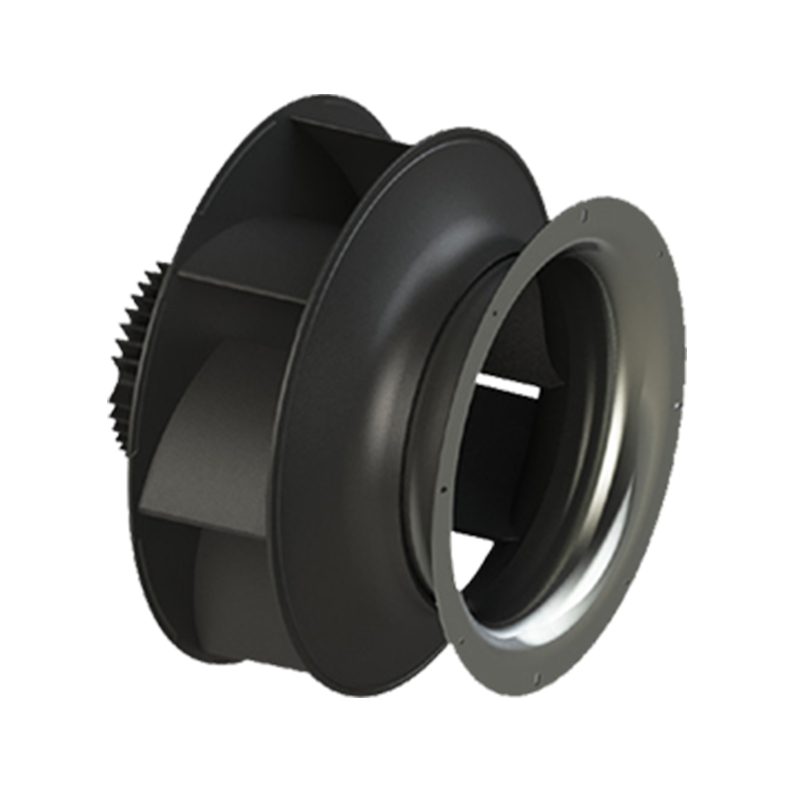
Centrifugal fans are a type of mechanical fan that use centrifugal force to move air or gases through a system. These fans consist of an impeller, housing, and motor. The impeller is a set of rotating blades that draws in air at the fan's inlet and forces it out through the exhaust or discharge outlet. The air is accelerated by the rotating blades, and as it moves through the fan, the centrifugal force causes the air to be directed outward, increasing its velocity and pressure. This action results in a high-pressure airflow that can be directed through ducts or other components of an air handling system.
The primary working principle of centrifugal fans is based on the conversion of the fan's mechanical energy into the kinetic energy of the air, allowing the air to travel through various paths, such as pipes or filters. Centrifugal fans can be designed to achieve various flow rates, pressures, and energy efficiencies, depending on the requirements of the specific application. These fans are widely used in many industries, such as HVAC systems, industrial ventilation, material handling, and cooling systems, to ensure proper air circulation, temperature control, and the removal of airborne contaminants.
Aluminum blades in centrifugal fans are specifically designed to offer a combination of strength, lightness, and durability. Aluminum is an ideal material for fan blades because it is lightweight yet strong enough to withstand the mechanical stresses experienced during high-speed rotation. This characteristic makes aluminum blade centrifugal fans more energy-efficient as they require less power to operate, reducing overall operational costs and wear on the fan motor.
In addition to being lightweight, aluminum has natural corrosion resistance properties. It forms a protective oxide layer when exposed to air, preventing rust and corrosion, which is particularly beneficial in environments where moisture, chemicals, or high humidity are present. This makes aluminum blade centrifugal fans a durable solution for industrial fans used in harsh conditions, such as manufacturing plants, mining operations, or coastal environments where corrosion from saltwater exposure is a concern.
Aluminum blades also contribute to improved fan performance by providing smoother airflow. Their lightweight nature reduces the inertia in the fan system, allowing the fan to reach its optimal operating speed faster and use less energy. Furthermore, the smooth surface of aluminum blades reduces air resistance, resulting in less turbulence and more efficient airflow. This improves the overall air movement efficiency and pressure generation, making aluminum blade centrifugal fans highly effective in moving air or gases through HVAC systems, cooling towers, or ventilation systems.
Aluminum blade centrifugal fans come in several different designs, each suited for different applications based on airflow requirements, pressure conditions, and the overall system configuration. The three most common types of aluminum blade centrifugal fans include:
Forward-Curved Fans: In forward-curved fans, the fan blades curve in the direction of rotation. This design creates a high-volume, low-pressure airflow, making forward-curved fans ideal for applications that require high air movement with relatively low pressure, such as in ventilation systems or air handling units in commercial buildings. The forward-curved blades provide quiet operation, making them suitable for environments where noise reduction is important.
Backward-Curved Fans: Backward-curved fans have blades that curve in the opposite direction to the rotation of the fan. These fans are designed to produce higher pressures with lower airflow volumes, making them ideal for applications that require high-pressure output, such as industrial exhaust systems, dust collection systems, and HVAC systems in large commercial or industrial settings. The backward-curved blades are also more efficient in terms of energy use, providing better airflow with less energy consumption.
Radial Fans: Radial fans are designed with straight blades that are positioned perpendicular to the direction of airflow. The blades move air radially outward from the center, creating a uniform and steady airflow with a balanced pressure distribution. Radial fans are typically used for heavy-duty applications, such as in industrial material handling systems and large-scale cooling towers. They are also used when a high volume of air needs to be moved with moderate pressure.
Each type of aluminum blade centrifugal fan is designed to meet specific operational needs, and selecting the right fan type depends on the airflow, pressure, and efficiency requirements of the application. Whether for low-pressure, high-volume ventilation or high-pressure, low-volume air circulation, aluminum blade centrifugal fans offer a range of solutions to meet the diverse needs of modern industrial systems.
One of the primary advantages of using aluminum in the construction of centrifugal fans is its lightweight nature. Aluminum is much lighter than other metals, such as steel or cast iron, which are traditionally used in fan blade construction. This reduction in weight is beneficial in several ways. First, it lowers the overall weight of the aluminum blade centrifugal fan, making it easier to handle, transport, and install. Additionally, the lighter fan blades result in less load on the motor and bearings, reducing mechanical strain and extending the lifespan of the fan system.
The lightweight design also contributes to improved energy efficiency. Since less energy is required to start and maintain the rotational speed of the fan, it results in lower power consumption. This is particularly advantageous in industrial and commercial settings where operational costs are critical. The lightweight characteristic of aluminum helps in designing fans that require less energy to operate, leading to cost savings over time.
Aluminum is known for its corrosion resistance, which is a key benefit when using it in fan blades. Unlike other metals that are prone to rust when exposed to moisture or harsh environmental conditions, aluminum naturally forms a protective oxide layer when exposed to air. This oxide layer acts as a shield, preventing further oxidation and making aluminum blades ideal for use in environments where moisture, chemicals, or other corrosive substances are present.
In industrial and marine applications, aluminum blade centrifugal fans are particularly useful as they can withstand exposure to humidity, water, and even salty air without deteriorating. This resistance to corrosion ensures that the fan remains reliable and functional over a long period, reducing maintenance costs and the need for frequent replacements. The durability of aluminum blades in corrosive environments makes them an attractive choice for a wide range of applications, from coastal industrial sites to chemical processing plants.
Aluminum is known for its high strength-to-weight ratio, meaning it is both strong and lightweight. This property is essential for centrifugal fans because it enables the fan blades to withstand high rotational speeds and mechanical stress without adding unnecessary weight. The combination of strength and lightness ensures that the fan operates efficiently, generating the required airflow without putting excessive strain on the motor or other components.
Additionally, the high strength-to-weight ratio of aluminum enhances the longevity of the fan. The reduced stress on the fan's motor and bearings leads to less wear and tear, which ultimately results in a longer lifespan for the fan. Aluminum blade centrifugal fans require less maintenance and have a lower risk of failure due to mechanical fatigue, making them a reliable and durable choice for both residential and industrial applications.
Aluminum's thermal conductivity is another advantage that makes it well-suited for centrifugal fans. Aluminum is an excellent conductor of heat, meaning it can quickly dissipate heat generated during the fan's operation. This heat dissipation property is essential in preventing the fan blades from overheating, especially in high-performance industrial fans that operate at high speeds for extended periods.
The ability to efficiently manage and dissipate heat helps to maintain the overall performance of the aluminum blade centrifugal fan. It reduces the risk of overheating, which can lead to damage or failure of the fan's motor and components. Aluminum's thermal conductivity ensures that the fan operates at optimal temperatures, enhancing both safety and longevity in industrial applications, such as cooling towers, air handling units, and HVAC systems.
While aluminum blade centrifugal fans may have a higher initial cost compared to fans made from other materials, the long-term cost-effectiveness makes them a valuable investment. Aluminum is generally more affordable than other corrosion-resistant metals like stainless steel, making it a more cost-effective solution for many applications. Additionally, the lightweight nature of aluminum reduces the overall material and shipping costs associated with manufacturing and transporting the fan.
The long-term savings associated with aluminum blade centrifugal fans come from their durability and low maintenance requirements. Since aluminum is resistant to corrosion, the need for repairs or replacements is minimized, resulting in lower operational costs over time. Furthermore, the increased energy efficiency due to the lightweight design and low mechanical strain leads to reduced energy consumption, which translates into additional cost savings in industrial applications. When considering the durability, energy efficiency, and low maintenance costs, aluminum fans offer great value over their lifespan.
| Advantage | Description | Benefits |
| Lightweight | Aluminum reduces the overall weight of the fan blades. | Easy to handle, transport, install, and operate with lower energy consumption. |
| Corrosion Resistance | Aluminum naturally resists rust and corrosion, especially in harsh environments. | Longer lifespan, reduced maintenance, and reliable performance in wet or chemically aggressive environments. |
| High Strength-to-Weight Ratio | Aluminum provides a balance of strength and lightness in fan blades. | Improved performance, longevity, and less stress on motor and bearings. |
| Thermal Conductivity | Aluminum dissipates heat efficiently during operation. | Prevents overheating, enhances safety, and prolongs fan lifespan. |
| Cost-Effectiveness | Aluminum is relatively inexpensive and offers great value in the long term. | Lower initial costs, energy savings, reduced maintenance, and overall cost savings over time. |
Aluminum blade centrifugal fans are commonly used in HVAC systems for their ability to provide consistent and reliable airflow. These fans are essential in heating, ventilation, and air conditioning applications, where they help maintain air circulation, temperature control, and air quality within buildings. The centrifugal blowers used in HVAC systems are designed to generate high static pressure, making them ideal for moving air through ducts and systems that require consistent airflow against resistance, such as in ventilation fans or air handlers.
The aluminum fan blades in these systems are particularly advantageous due to their lightweight and corrosion-resistant properties, making them durable even in humid environments, which is typical in HVAC systems. Whether used for residential or industrial HVAC systems, aluminum blade fans help achieve efficient airflow while minimizing energy consumption. These fans can be tailored to meet specific requirements for air volume and pressure, ensuring that HVAC systems perform optimally in both heating and cooling modes.
In industrial ventilation applications, aluminum blade centrifugal fans are critical for maintaining air quality and safety by removing pollutants, fumes, smoke, and dust from work environments. These fans are commonly found in factories, warehouses, and manufacturing plants, where they help prevent the buildup of harmful substances in the air. The fans are designed to handle large volumes of air with high static pressure, making them effective in extracting airborne contaminants from confined or hazardous spaces.
The corrosion-resistant nature of aluminum blades makes them ideal for environments where exposure to chemicals or corrosive agents is a concern. With their high strength-to-weight ratio, aluminum fan blades can effectively move air through ductwork, filters, and exhaust systems, ensuring that industrial ventilation systems operate efficiently. Proper fan selection is essential in these systems, as choosing the right fan size and airflow capacity helps maintain safe air quality while minimizing energy costs.
Dust collection systems play a crucial role in many industries, including woodworking, pharmaceuticals, and mining, where airborne dust and particulate matter can pose health risks and damage machinery. Dust collection fans with aluminum blades are commonly used in these systems due to their ability to generate the required airflow to capture and transport dust particles from the air. The centrifugal action of the fan helps direct the dust-laden air into collection bins or filters, where particles can be trapped and disposed of.
Aluminum's corrosion resistance is particularly beneficial in dust collection systems that handle harsh or abrasive materials, ensuring that the fan blades last longer without degrading. Additionally, these fans can be designed to handle high static pressures generated by filters, making them suitable for systems with high resistance to airflow. Fan maintenance is essential in dust collection systems, and the durability of aluminum blade centrifugal fans reduces the frequency of replacements and repairs, contributing to lower operational costs.
Material conveying systems rely on fans to move lightweight materials such as powders, pellets, or grains through air streams. Aluminum blade centrifugal fans are ideal for these applications due to their high efficiency and lightweight design, which help move materials smoothly without unnecessary energy consumption. The fans are designed to provide the necessary airflow to transport materials through ducts, pipes, or conveyors, ensuring a continuous flow within the system.
In material conveying applications, the ability to control airflow and adjust fan speed is crucial to maintaining the correct transport velocity without causing damage to the materials. Aluminum fan blades provide the right combination of strength and lightness, allowing the fan to perform at high speeds while minimizing energy consumption. Their corrosion resistance ensures that the fan blades remain intact even when exposed to abrasive materials or harsh environmental conditions. Whether in food processing or industrial material handling, aluminum blade centrifugal fans are essential in ensuring smooth and efficient material flow.
Drying systems in industries such as food processing, textiles, and pharmaceuticals often rely on controlled airflow to accelerate the drying process. Aluminum blade centrifugal fans are used in these systems to generate the necessary airflow that facilitates moisture removal from materials. The high static pressure capabilities of centrifugal fans enable them to direct air precisely over materials, ensuring that the drying process is efficient and effective.
The thermal conductivity of aluminum also plays a role in improving the efficiency of these drying systems. As aluminum blades dissipate heat effectively, they help maintain optimal temperatures for drying without overheating. This results in better energy efficiency and reduced risk of overheating in sensitive materials. The durability of aluminum blades in drying systems, combined with their corrosion resistance, ensures long-term performance in environments where moisture and temperature fluctuations are common.
| Application | Description | Benefits of Aluminum Blade Fans |
| HVAC Systems | Used for maintaining airflow in heating, ventilation, and air conditioning systems. | Efficient airflow, energy-saving, corrosion resistance, and long-lasting performance in humid environments. |
| Industrial Ventilation | Helps remove pollutants, fumes, and gases from industrial facilities. | High static pressure capabilities, corrosion resistance, and energy efficiency in heavy-duty applications. |
| Dust Collection Systems | Used to extract dust and particulate matter in industries such as woodworking and pharmaceuticals. | Durability in harsh environments, low maintenance, and long service life with minimal downtime. |
| Material Conveying | Moves lightweight materials through air streams in industries like food processing and mining. | Energy-efficient, smooth material transport, and corrosion resistance in abrasive environments. |
| Drying Systems | Used in food processing, textiles, and other industries to accelerate the drying process. | Efficient heat dissipation, precise airflow control, and corrosion-resistant for long-term use in moisture-laden environments. |
When selecting the right aluminum blade centrifugal fan, understanding the airflow and pressure requirements is crucial to ensure the fan performs optimally. The airflow is measured in CFM (Cubic Feet per Minute), and it dictates how much air the fan can move in a given amount of time. Determining the necessary CFM depends on the size of the area, the type of application, and the specific air circulation or cooling requirements.
In addition to airflow, static pressure is another important factor. Static pressure refers to the resistance to airflow caused by filters, ductwork, or any obstructions in the air path. A fan with the correct static pressure rating is essential to ensure that air is delivered effectively through the system, overcoming any resistance. This is especially important in systems that require high-pressure airflow, such as industrial ventilation systems or dust collection systems, where high resistance is common due to filters or long duct runs.
Fan efficiency plays a critical role in selecting the right aluminum blade centrifugal fan, as it impacts both operational costs and environmental sustainability. Efficient fans use less energy to move the same volume of air, reducing electricity consumption and lowering overall operational costs. When selecting a fan, it is important to consider both its airflow capacity and its power usage. Choosing a fan with an optimal balance between airflow and power consumption will maximize efficiency and reduce energy costs in the long term.
Modern fans often come equipped with energy-efficient motors and blades designed to reduce drag and improve airflow. Aluminum blades, due to their lightweight and high strength-to-weight ratio, are inherently more efficient than traditional steel blades, contributing to better performance with lower energy consumption. Additionally, selecting a fan with variable speed capabilities or one that can be easily integrated into an energy management system can further optimize energy usage based on demand.
The motor type and power are integral components when selecting the right aluminum blade centrifugal fan. Different applications require different motor capacities, depending on the desired airflow and pressure output. Fans typically come with either AC (Alternating Current) or DC (Direct Current) motors, with each having its advantages. AC motors are more common for industrial-scale applications due to their robustness and ability to handle high loads, while DC motors are typically more energy-efficient and offer variable-speed capabilities, making them suitable for residential or smaller-scale systems.
When selecting the motor power, it is important to match the motor's capacity to the fan’s airflow and pressure requirements. A fan with insufficient motor power will struggle to meet the desired air volume or pressure, leading to poor performance. Conversely, an oversized motor can result in unnecessary energy consumption. Consulting the fan’s specifications and understanding the load requirements for your system will ensure the correct motor is selected for efficient operation.
The operating environment plays a significant role in selecting the right aluminum blade centrifugal fan. Factors such as temperature, humidity, and exposure to corrosive elements must be taken into account when choosing the material and design of the fan. Aluminum blades are highly advantageous in these settings because of their natural corrosion resistance, especially in humid or chemically aggressive environments like chemical processing plants, coastal areas, or food manufacturing facilities.
In environments where extreme temperatures are present, such as in furnaces or ovens, selecting a fan that can operate efficiently within a specific temperature range is essential. Some aluminum fans are designed with temperature-resistant coatings or advanced cooling mechanisms to withstand high-temperature environments. Additionally, high-humidity environments, such as those found in HVAC systems or cooling towers, can also benefit from the corrosion-resistant properties of aluminum, ensuring long-lasting fan performance without frequent maintenance or part replacements.
When selecting a centrifugal fan, it is important to consider the size and space constraints of the installation area. Industrial environments, HVAC systems, and other applications often have limited space for fan placement, so choosing a fan that fits within the available area while still providing the required airflow is essential. Fortunately, aluminum blade centrifugal fans are available in a wide range of sizes, from compact models designed for tight spaces to larger, more powerful units for industrial applications.
When space is limited, choosing a fan with a compact design or one that offers flexible installation options (such as a vertical or horizontal orientation) can help maximize the efficiency of the system. It is also crucial to ensure that the fan's dimensions match the required duct size and that there is enough clearance around the fan for proper airflow. Understanding the available space will help determine the optimal fan size and configuration to meet your specific requirements.
Noise levels are an important consideration when selecting the right aluminum blade centrifugal fan, particularly in applications where noise reduction is critical, such as in office buildings, hospitals, or residential areas. Fans with aluminum blades tend to operate more quietly than those with heavier, more rigid blades due to their lightweight construction and aerodynamic design. This results in less vibration and lower noise output during operation.
To further mitigate noise, consider selecting fans with sound-dampening features, such as insulated housings or vibration-reducing mounts. Additionally, fans with backward-curved blades are known for producing less noise compared to forward-curved models. It is also essential to ensure that the fan is properly installed, with adequate support and alignment to prevent additional noise from vibration or improper operation. In environments where noise is a significant concern, evaluating the fan's noise level specification (measured in decibels) will ensure that the fan meets regulatory standards and your performance expectations.
Proper installation is critical to ensure the aluminum blade centrifugal fan operates at peak efficiency and performance. Follow these essential steps during installation:
Choose the Correct Location: Ensure that the fan is installed in a location where airflow is not obstructed. There should be enough space around the fan for adequate ventilation and for heat dissipation. The fan should be positioned to avoid direct exposure to moisture, dust, or corrosive substances, which could degrade performance.
Mount the Fan Securely: Proper mounting of the fan is crucial to minimize vibrations. Ensure that the fan is securely fixed to its base and that all components are aligned correctly. This helps to prevent imbalance and noise during operation.
Electrical Connections: For electrically powered fans, make sure the wiring and electrical connections comply with the manufacturer’s instructions. Proper grounding and safe power supply are essential for the fan's performance and safety.
Check Ductwork and Airflow Paths: Before operating the fan, ensure that the ductwork is free from blockages and obstructions. Properly sized ducts and clear airflow paths will reduce strain on the fan and ensure maximum airflow efficiency.
Perform Initial Testing: After installation, run the fan at its recommended speed to ensure it operates smoothly. Check for unusual noises, vibrations, or any abnormal behavior. Ensure that the fan meets the specified airflow and pressure requirements as per the system design.
To ensure the longevity and efficiency of your aluminum blade centrifugal fan, regular inspection and cleaning are essential. Over time, dust, debris, and dirt can accumulate on the fan blades, reducing airflow and causing strain on the motor. Follow these steps for proper inspection and cleaning:
Inspect Fan Blades: Check for any signs of wear, damage, or debris buildup on the aluminum blades. Accumulated dust or debris can decrease fan efficiency and cause imbalance, which may lead to vibrations and increased motor load.
Clean the Fan Blades: Use a soft brush or compressed air to remove dirt, dust, and other debris from the blades. For stubborn buildup, a damp cloth can be used, but make sure the fan is switched off and properly secured before cleaning.
Examine the Motor and Bearings: Regularly check the motor, bearings, and other moving parts for any signs of wear or damage. Lubricate the bearings as required to ensure smooth operation. Unusual noises or vibrations may indicate the need for maintenance or repair.
Check for Leaks: Inspect the fan housing and ductwork for any air leaks. Leaks can reduce the efficiency of the fan and increase energy consumption. Repair any leaks promptly to maintain optimal system performance.
Lubrication is an essential part of maintaining aluminum blade centrifugal fans, especially for the motor and bearings. Proper lubrication reduces friction between moving parts, preventing excessive wear and ensuring smooth operation. Follow these steps for proper lubrication:
Use the Correct Lubricant: Always use the recommended lubricant specified by the manufacturer for your fan model. Different fans may require different types of lubricants, including oil or grease, depending on the operating conditions and fan design.
Lubricate Bearings: Bearings are among the most critical components for fan operation. Lubricate them at regular intervals to prevent metal-to-metal contact and reduce the risk of overheating and premature wear.
Monitor Lubricant Levels: Regularly check the levels of lubricant and top up as necessary. Over-lubricating or under-lubricating can both cause issues, so always follow the manufacturer’s guidelines for proper amounts.
Lubricate at Proper Intervals: Lubrication should be done at the frequency recommended in the fan's maintenance schedule. Be mindful of the operating hours, temperature, and environmental conditions, as these factors may influence how often lubrication is needed.
Proper balancing is essential for minimizing vibrations, which can lead to unnecessary wear and tear on the fan and its components. Imbalanced fans can cause significant mechanical stress on the motor, bearings, and support structures, leading to reduced efficiency, higher maintenance costs, and shorter fan life. To ensure proper balance, follow these tips:
Check for Imbalances: If the fan produces excessive vibrations or noise, it may be out of balance. Imbalances can occur due to uneven wear on the blades, damage, or improper installation.
Balance the Fan Blades: If necessary, balance the fan blades using a balancing tool or by adjusting the blade weights. In some cases, a technician may need to adjust the fan's alignment or replace damaged blades to restore balance.
Ensure Proper Mounting: Make sure the fan is securely mounted and that its supports are level. Misalignment in the mounting can contribute to imbalance and cause vibrations during operation.
Use Vibration Dampeners: If vibrations persist, consider installing vibration dampeners or isolation mounts to reduce the transmission of vibrations through the structure, preventing damage to surrounding equipment and improving comfort in noise-sensitive environments.
Even with regular maintenance, issues may arise with your aluminum blade centrifugal fan. Below are some common problems and troubleshooting steps:
Fan Not Starting: If the fan fails to start, check the power supply, ensure that the fan motor is receiving proper voltage, and verify that there are no tripped circuit breakers. Inspect the fan motor for any signs of failure or overheating.
Reduced Airflow: Reduced airflow can be caused by clogged fan blades, blocked ducts, or an undersized motor. Inspect the blades for debris or dirt buildup and clean them. Ensure that the ducts are clear and that the fan’s motor capacity matches the required airflow specifications.
Excessive Noise or Vibration: Excessive noise or vibration may be due to imbalance, damaged blades, or loose components. Check for damaged or worn blades, and ensure that all parts are securely fastened. Balance the fan blades if necessary and check for any structural issues.
Overheating: If the fan motor is overheating, check the lubrication levels and ensure that the motor is not overloaded. Overheating can also occur if the fan is operating in a high-temperature environment without sufficient cooling. Make sure the fan is properly ventilated and that the bearings are adequately lubricated.
By following these maintenance and troubleshooting steps, you can ensure that your aluminum blade centrifugal fan operates efficiently and reliably over its lifespan. Regular care, lubrication, balancing, and prompt troubleshooting will help extend the fan’s life, reduce downtime, and maintain optimal performance for your system.
The variety of models, to meet the development needs of various regions in the world.

© 2025 Zhejiang Kemao Holding Group Co., Ltd.
All Rights Reserved.
 OEM/ODM HVAC Axial Fan Manufacturers