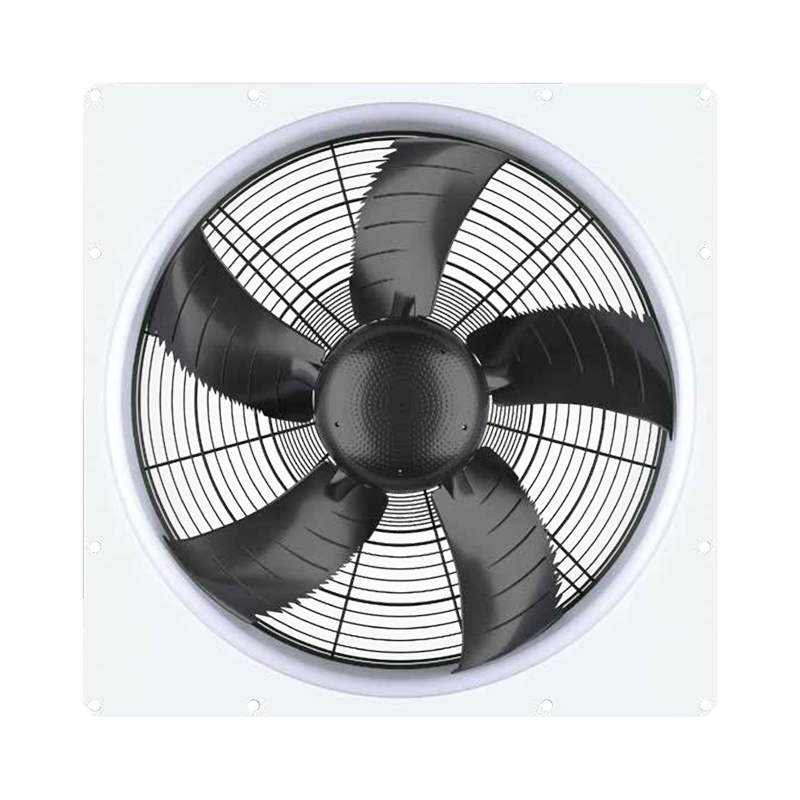
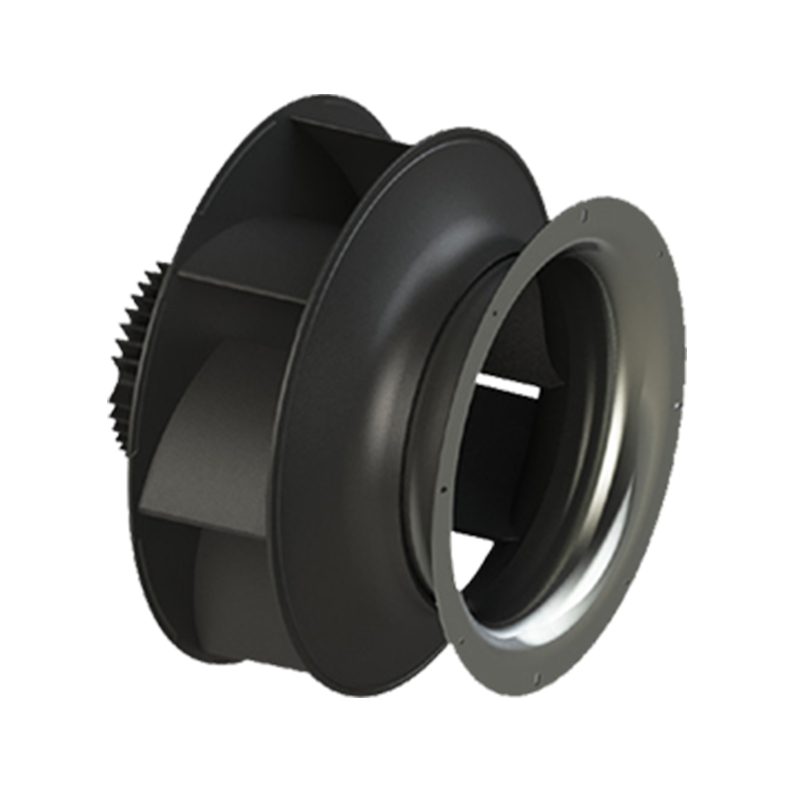
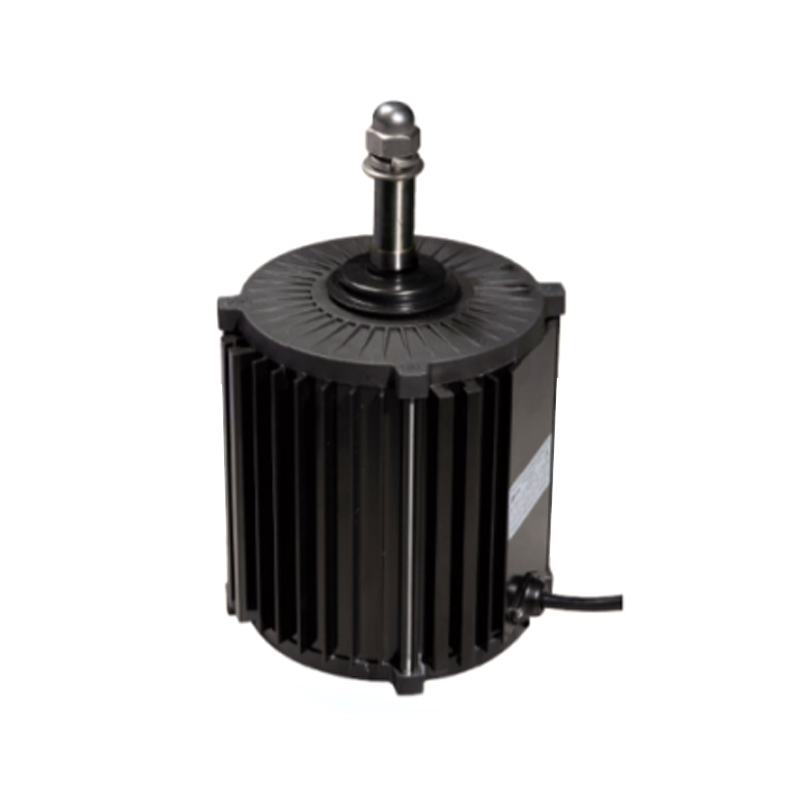
In the realm of high-performance ventilation, the Axial Fan Motors serve as the critical driving force. Specifically, the Aluminum Die-Casting Casing Three-Phase Asynchronous Motor has emerged as a preferred solution for industrial applications requiring lightweight yet robust power delivery. By utilizing high-grade aluminum die-casting for the motor housing, manufacturers achieve superior heat dissipation and corrosion resistance. This technical news explores the specific operating conditions and mechanical advantages of these specialized motors, focusing on how they maintain stability under continuous load.
How Do the Operating Conditions Define the Reliability of Axial Fan Motors?
The performance of Axial Fan Motors is strictly governed by the environmental and electrical parameters they are designed to withstand. Engineering these motors to operate in diverse climates requires a meticulous approach to material science and electrical insulation.
Can These Motors Survive Extreme Ambient Temperature Ranges?
The Aluminum Die-Casting Casing Three-Phase Asynchronous Motor is engineered to perform within a broad temperature envelope, ranging from as low as -40℃ up to +60℃. This makes these Axial Fan Motors suitable for both refrigerated storage environments and high-heat industrial processing plants. The ability to maintain mechanical integrity at -40℃ ensures that the aluminum casing does not become brittle, while the +60℃ upper limit is supported by advanced thermal management.
What are the Standard Technical Specifications for These Motors?
To provide a clear overview of the motor's capabilities, the following table details the standard operating conditions and technical ratings.
|
Feature
|
Technical Specification
|
|
Motor Type
|
Aluminum Die-Casting Casing Three-Phase Asynchronous Motor
|
|
Ambient Temperature
|
-40℃ to +60℃
|
|
Altitude
|
≤1000m
|
|
Rated Voltage
|
200V - 600V
|
|
Rated Frequency
|
50/60 Hz
|
|
Duty / Rating
|
Continuous (S1)
|
|
Insulation Class
|
F / H
|
|
Winding Temp. Rise
|
≤80K
|
|
Protection Class
|
IP54, IP55, IP65, IP56, IP66
|
|
Cooling Method
|
IC411
|
|
Certification
|
UL, ETL, CSA, CE, CCC
|
Why is the Three-Phase Asynchronous Design Preferred for High-Volume Fans?
The choice of a three-phase asynchronous system for Axial Fan Motors is driven by the need for high torque and low maintenance. Unlike brushed motors, these asynchronous units offer a longer service life and better efficiency in industrial settings.
How Does the Rated Voltage Range Benefit Global Deployment?
With a rated voltage spectrum spanning from 200V to 600V, these Axial Fan Motors are compatible with various international power grids. Whether the application is in a 230V European facility or a 480V North American industrial plant, the windings are designed to handle the electrical stress. Furthermore, the support for both 50Hz and 60Hz frequencies ensures that the motor's synchronous speed can be adapted to local grid standards without loss of performance.
What Does "Continuous Duty (S1)" Mean for Industrial Productivity?
In industrial ventilation, fans often run 24/7. These Axial Fan Motors are rated for Continuous Duty (S1), meaning they can operate at a constant load for an unlimited period without exceeding their thermal equilibrium. This is facilitated by the IC411 cooling method, which utilizes a fan-cooled surface to move air over the aluminum ribs of the casing, ensuring that the winding temperature rise remains strictly at or below 80K.
How Does the Insulation Class Impact the Lifespan of the Motor?
Electrical insulation is the primary safeguard against internal short circuits and motor failure. The Axial Fan Motors in this series utilize high-performance materials to meet stringent safety standards.
Why Are Insulation Classes F and H Used for These Motors?
The motors are built with Insulation Class F or H. Class F is rated for temperatures up to 155℃, while Class H can withstand up to 180℃. By keeping the actual winding temperature rise to ≤80K, these Axial Fan Motors maintain a significant safety margin. This "thermal headroom" prevents the degradation of the insulation resin and copper wire coatings, even when the motor is subjected to temporary overloads or high ambient heat.
Can the Connection Methods Be Adapted for Different Starters?
Versatility in wiring is another hallmark of the Aluminum Die-Casting Casing Three-Phase Asynchronous Motor. The units support Y (Star), △ (Delta), and △/Y connections. This allows for flexible starting methods, such as star-delta starting to reduce inrush current, which protects the electrical infrastructure and extends the mechanical life of the Axial Fan Motors.
What Protection Classes are Available for Harsh Environments?
Moisture, dust, and chemical exposure are common in industrial ventilation. The protection rating of the motor determines its suitability for specific "zones" within a factory or outdoor installation.
How Do IP54 through IP66 Ratings Protect the Internal Components?
Depending on the specific application, these Axial Fan Motors can be configured with protection classes ranging from IP54 to IP66.
-
IP54/IP55: Provides protection against dust ingress and low-pressure water splashes, suitable for standard indoor industrial use.
-
IP65/IP66: Offers total protection against dust and can withstand high-pressure water jets or heavy seas. For an Axial Fan Motor mounted in a cooling tower or a food processing wash-down area, the IP66 rating ensures that the internal windings and bearings remain completely dry and contaminant-free.
Is the Direction of Rotation Customizable for Specific Fan Blades?
Airflow direction is critical in axial ventilation. These motors support both Clockwise (CW) and Counter-Clockwise (CCW) rotation. This allows the Axial Fan Motors to be paired with various impeller designs to either exhaust air from a building or supply fresh air into a workspace, depending on the orientation of the fan blades.
How Does the Physical Aesthetic and Finish Match Industrial Standards?
While performance is paramount, the physical finish of Axial Fan Motors contributes to their resistance to external corrosion.
Why is Metallic Silver the Standard Color for Aluminum Motors?
The motors typically come in a Metallic Silver finish, which complements the natural look of the aluminum die-casting casing. This finish is not just for aesthetics; it provides an additional layer of protection against oxidation. For specialized requirements, other colors can be applied to meet the branding or safety coding of a specific industrial facility.
How Does the Aluminum Casing Compare to Traditional Cast Iron?
Compared to cast iron, the aluminum die-casting casing of these Axial Fan Motors offers a much higher strength-to-weight ratio. This reduces the load on the fan's mounting brackets and makes installation significantly easier. Furthermore, aluminum has better thermal conductivity than iron, allowing the motor to run cooler during S1 continuous operation.
What Global Certifications Do These Axial Fan Motors Carry?
Compliance with international standards is mandatory for equipment used in regulated industries. The certification portfolio of these motors reflects their high quality and safety.
Why are UL, ETL, and CSA Certifications Important for North America?
For the North American market, the Axial Fan Motors are certified under UL (Underwriters Laboratories), ETL, and CSA (Canadian Standards Association). These marks indicate that the motor has undergone rigorous testing for fire safety, electrical insulation integrity, and mechanical stability.
Does the CE and CCC Marking Ensure Access to Global Markets?
In addition to North American standards, the motors carry the CE mark for the European Economic Area and the CCC (China Compulsory Certificate) for the Chinese market. This comprehensive certification suite ensures that the Aluminum Die-Casting Casing Three-Phase Asynchronous Motor can be integrated into equipment destined for any major global market, providing peace of mind to original equipment manufacturers (OEMs) and end-users alike.



 English
 中文简体
中文简体 русский
 Español

 OEM/ODM HVAC Axial Fan Manufacturers