The Invisible Heart of Cold Chain: The Critical Role of the Refrigeration Fan
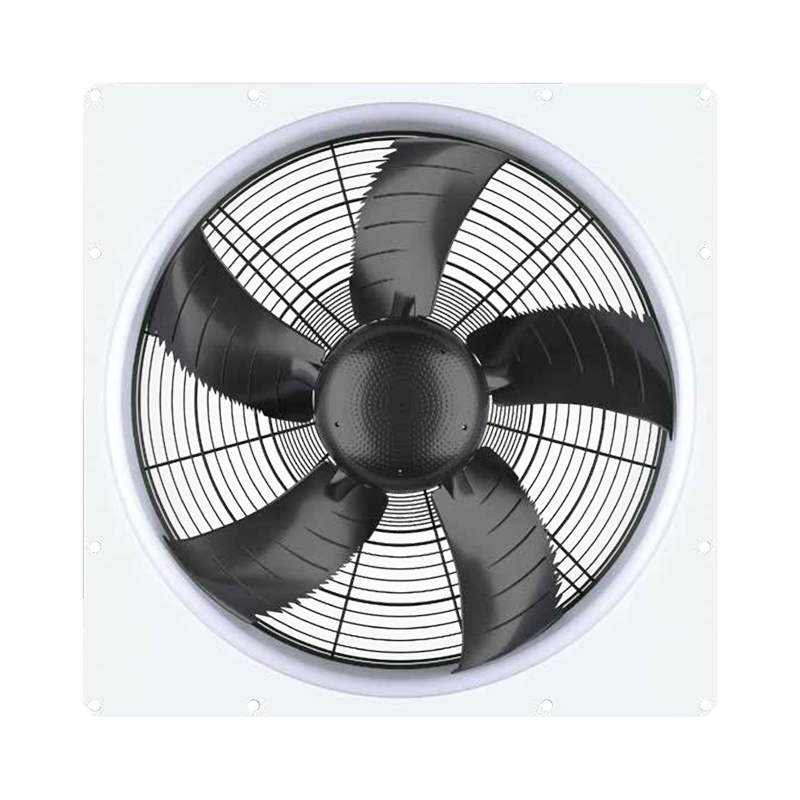
With the explosive growth of fresh e-commerce, pharmaceutical logistics for vaccines, and high-value food transportation, the cold chain industry has become a critical link in the global economic infrastructure. Within this complex temperature-controlled network, whether in cold storage warehouses, refrigerated trucks, or supermarket display cases, the core temperature stabilization system relies on an unsung hero: the Cold chain and Refrigeration fan.
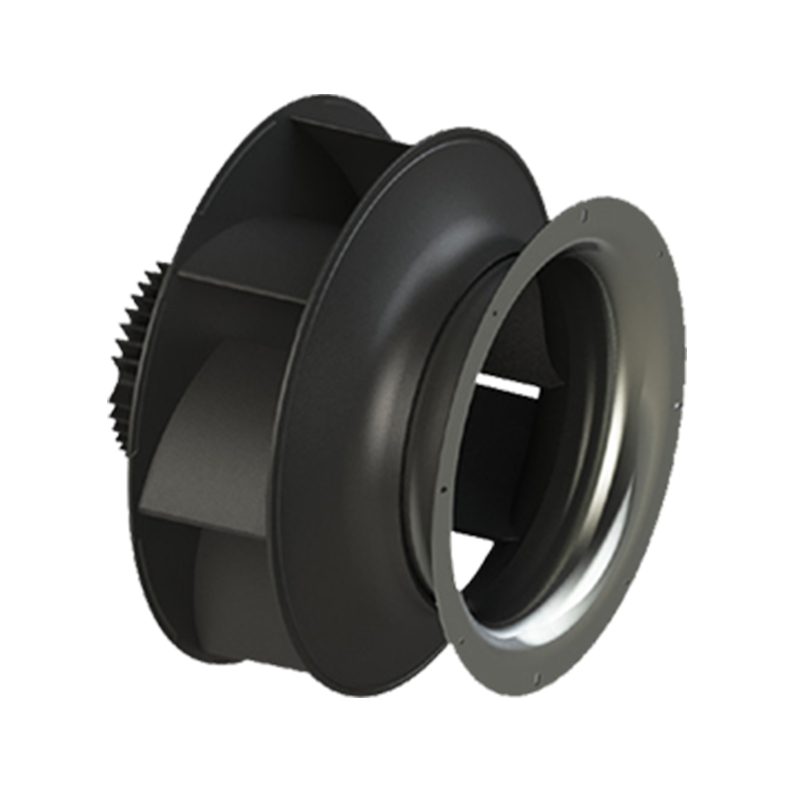
The Cold chain and Refrigeration fan’s role extends far beyond simply "blowing air." It is the key executor responsible for uniformly and efficiently distributing the cooling capacity from the evaporator surface throughout the entire storage space, ensuring that every piece of product is maintained at the strictly set temperature. However, traditional refrigeration fan technology faces two severe challenges: immense energy wastage and product spoilage caused by uneven temperature distribution. The market urgently needs a smarter, more efficient solution for the cold chain.
Challenge 1: The 'Energy Consumption Black Hole' of Traditional AC Fans
In the past, cold chain systems predominantly utilized Alternating Current (AC) motor-driven refrigeration fans. Although AC fans have a low initial cost, their drawbacks become glaringly apparent in the 24-hour continuous operation of the cold chain environment:
Low Efficiency and Excessive Heat Generation: AC fan efficiency typically falls far below 60%. This means that over 40% of the input electrical energy is converted into useless heat. This heat is released into the refrigerated space, forcing the system to unnecessarily activate the compressor to eliminate this extra heat load, resulting in dual energy waste and significantly increasing the operational burden on the cooling system.
Fixed Speed Causes Resource Overuse: AC fans lack precise speed control capabilities. Whether the cooling demand inside the cold room or display case is high or low, they run at a fixed or limited number of speeds. This mismatch between the running mode and the actual cooling demand leads to excessive power consumption during low-load periods, causing unnecessary energy waste and overuse of electrical resources.
Temperature Field Non-Uniformity Leading to Severe Loss: The fixed speed and inability to adjust based on real-time load changes easily create temperature stratification, airflow dead zones, and localized hot spots within the cold storage. For temperature-sensitive goods, such as high-end seafood or biological agents, this non-uniform temperature distribution directly leads to 5% to 50% product spoilage, quality degradation, or reduced efficacy, resulting in substantial economic and safety losses for the cold chain operator.
Technological Revolution: How EC Fans are Changing the Industry
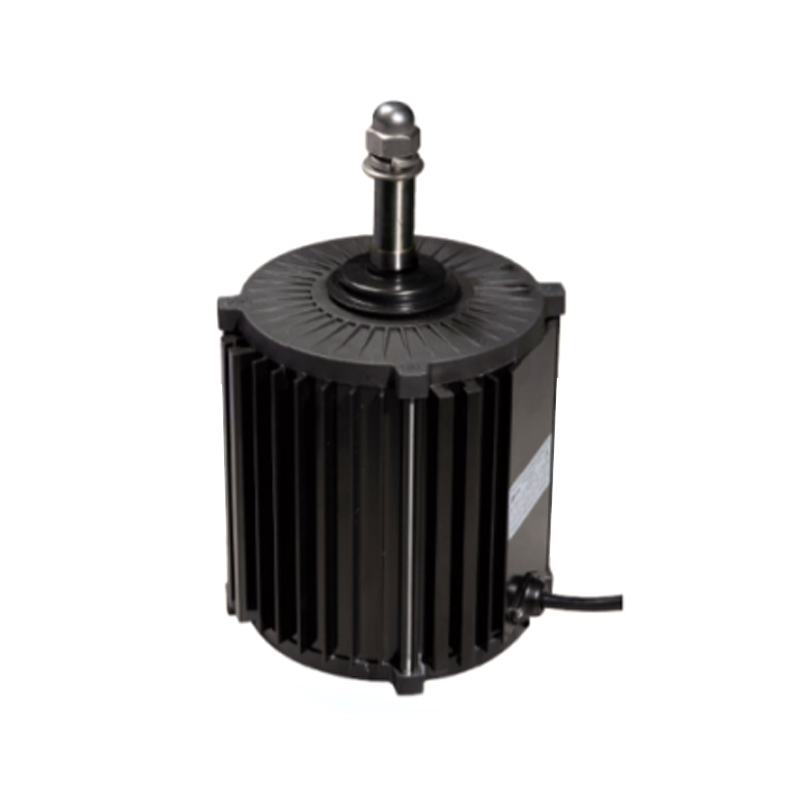
To address the issues of energy consumption and temperature control accuracy, the cold chain industry is rapidly shifting toward Electronically Commutated (EC) Refrigeration Fan Technology. An EC fan is essentially a fan driven by a high-efficiency Brushless Direct Current (BLDC) motor, bringing revolutionary improvements:
Ultra-High Efficiency, Minimal Heat Emission: EC fan efficiency easily reaches 80% to 90% or higher. The heat generated by the motor itself is dramatically reduced, which means the supplementary heat load that the refrigeration system needs to eliminate is significantly lowered. This high efficiency directly translates into considerable electricity savings and prolongs the lifespan of the compressor.
Precise Stepless Speed Control for On-Demand Allocation: EC fans feature a built-in intelligent drive module that allows for stepless precision speed control across the 0-100% range, based on PLC, BMS, or temperature controller signals (0-10V or PWM). This "energy on-demand allocation" mechanism ensures the fan only consumes the "just-enough" energy required, maximizing the energy-saving effect.
Dynamic Temperature Field Optimization, Guaranteeing Product Quality: Through precise speed adjustment, the EC fan responds to changes in cooling demand at the fastest speed, accurately controlling airflow and pressure, significantly reducing thermal lag. This results in a much more uniform and stable temperature distribution within the cold storage, effectively minimizing the impact of temperature fluctuations on goods, thereby driving product loss due to temperature issues down to the lowest possible level.
Application Scenarios: Comprehensive Upgrading from Warehouse to Shelf
The application range of EC refrigeration fans covers every critical link of the cold chain, providing customized efficiency gains for various scenarios:
Advanced Energy Management in Cold Storage and Distribution Centers: By integrating into central Building Management Systems (BMS), EC fans can execute complex operational strategies. For instance, automatically reducing speed during nighttime or low-load periods can achieve over 20% annual operational cost savings. Furthermore, the real-time feedback of their operational data supports predictive maintenance.
Optimizing Range and Payload in Refrigerated Transport Vehicles: The high efficiency and compact structural design of EC fans are crucial for refrigerated trucks and containers that rely on mobile power. They can significantly extend the battery life of the vehicle or reduce fuel consumption, allowing transport vehicles to allocate more energy to core driving and cooling, effectively increasing transport efficiency and payload capacity.
Enhancing Energy Efficiency and Customer Experience in Supermarket Display Cases: At the retail end, EC fans utilize precise air curtain control to minimize the spillage of cold air from the display case ("cold air leakage"), lowering the supermarket's overall operational energy consumption. Additionally, their extremely low operating noise creates a quieter, more comfortable shopping environment for customers while ensuring the perishable products on the shelves maintain their freshness throughout the sales cycle.
AC Fan vs. EC Refrigeration Fan: Key Performance Comparison
|
Feature Dimension
|
Traditional AC Fan
|
Modern EC Fan
|
Cold Chain Value
|
|
Energy Efficiency Level
|
40%~60%
|
80%~95%
|
Significantly reduces electricity costs and cooling load, increases system COP.
|
|
Speed Control
|
Single or dual speed only (fixed speed)
|
0-100% Stepless Precision Speed Control
|
Energy on-demand allocation, maximizes energy saving, dynamically adapts to load changes.
|
|
Operational Noise
|
Higher (motor vibration and fixed speed)
|
Extremely Low (brushless design and smart drive)
|
Improves work environment and commercial space comfort.
|
|
Temperature Control Accuracy
|
Lower (temperature field prone to non-uniformity and high fluctuation)
|
Extremely High (real-time load response, minimal thermal lag)
|
Effectively reduces product loss and enhances product quality.
|
|
Integration Complexity
|
Requires external inverter for speed control
|
Built-in drive and smart control module
|
Simplifies installation and maintenance, plug-and-play, easy BMS integration.
|
The Refrigeration Fan is the ROI Engine of the Future Cold Chain
The refrigeration fan, seemingly an ordinary component, is in fact the critical engine determining whether a cold chain system can achieve a high ROI (Return on Investment). By adopting the new generation of fans, primarily based on EC technology, cold chain enterprises can easily address over 20% of their energy costs while simultaneously minimizing the 50% potential risk of product loss through stable temperature control.
In the increasingly competitive cold chain market, investment in high-efficiency refrigeration fans is no longer merely a cost, but a strategic measure to guarantee cargo quality, optimize operational efficiency, and earn market trust. A tiny fan is fundamentally redefining the efficiency boundaries of the modern cold chain.



 English
 中文简体
中文简体 русский
 Español

 OEM/ODM HVAC Axial Fan Manufacturers